Building comparison
head to head
Art of Murder: Cards of DestinyvsBroken Sword: The Smoking Mirror
Neither is harder. They score identically on all four axes, so the difference between them is in kind, not degree.
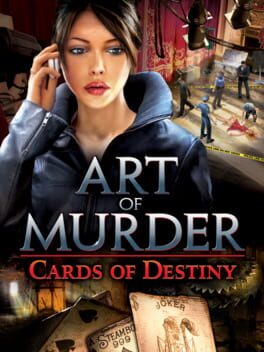
Art of Murder: Cards of Destiny
Optimization · Light / Casual
A hidden-object detective adventure solved through clues and inventory puzzles.
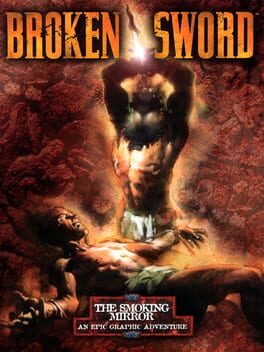
Broken Sword: The Smoking Mirror
Optimization · Light / Casual
A point-and-click adventure where inventory puzzle logic is the whole challenge.
Art of Murder: Cards of Destiny leans Optimization (Light / Casual); Broken Sword: The Smoking Mirror leans Optimization (Light / Casual).
Art of Murder: Cards of DestinyBroken Sword: The Smoking Mirror
Axis by axis
Execution1 vs 1
Same score on execution - which means the number cannot separate them. The difference is in what each one asks of you.
Art of Murder: Cards of Destiny
no reflex requirement, point-and-click
Broken Sword: The Smoking Mirror
no physical skill, point-and-click
Reads0 vs 0
Same score on reads - which means the number cannot separate them. The difference is in what each one asks of you.
Art of Murder: Cards of Destiny
no opponent to read
Broken Sword: The Smoking Mirror
no opponents, puzzle-driven
Variance1 vs 1
Same score on variance - which means the number cannot separate them. The difference is in what each one asks of you.
Art of Murder: Cards of Destiny
fixed clues, little randomness
Broken Sword: The Smoking Mirror
no meaningful randomness
Optimization3 vs 3
Same score on optimization - which means the number cannot separate them. The difference is in what each one asks of you.
Art of Murder: Cards of Destiny
logical deduction and inventory puzzle solving
Broken Sword: The Smoking Mirror
item puzzle logic is solvable
A matching score does not mean a matching test. Two games can both sit at 10 on execution and demand completely different things of you - which is why the reasoning above matters more than the number beside it.
Related comparisons
Art of Murder: Cards of Destiny vs The Walking DeadBroken Sword: The Smoking Mirror vs The Walking DeadArt of Murder: Cards of Destiny vs Detroit: Become HumanBroken Sword: The Smoking Mirror vs Detroit: Become HumanArt of Murder: Cards of Destiny vs FirewatchBroken Sword: The Smoking Mirror vs Firewatch