Building comparison
head to head
Battlefield 1vsWarhammer 40,000: Dawn of War III
Neither is meaningfully harder - they pose close to the same test. The widest gap is reads, and it is a single point.
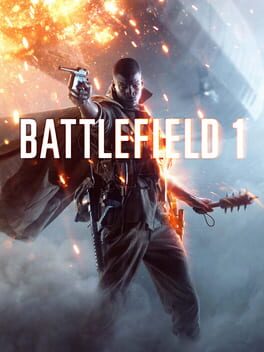
Battlefield 1
Execution · Competitive PvP
WWI conquest shooter with weighty gunplay.
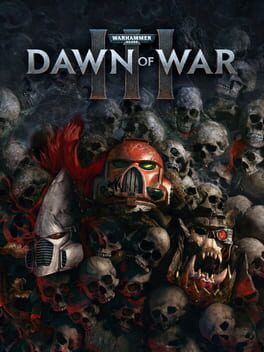
Warhammer 40,000: Dawn of War III
Execution · Grand Arena
Elite-focused 40K RTS where power node pressure and ability-chain timing test both micro and opponent reading.
Battlefield 1 leans Execution (Competitive PvP); Warhammer 40,000: Dawn of War III leans Execution (Grand Arena).
Battlefield 1Warhammer 40,000: Dawn of War III
Axis by axis
Execution7 vs 7
Same score on execution - which means the number cannot separate them. The difference is in what each one asks of you.
Battlefield 1
Bolt-actions reward steady aim and timing
Warhammer 40,000: Dawn of War III
Elite ability chains and walker micro have strict timing demands
Reads6 vs 7
Warhammer 40,000: Dawn of War III leans a little harder on reads, though the gap is small.
Battlefield 1
Trench flanks and gas plays beat predictions
Warhammer 40,000: Dawn of War III
Three-race elite compositions must be scouted and countered
Variance3 vs 3
Same score on variance - which means the number cannot separate them. The difference is in what each one asks of you.
Battlefield 1
Behemoth spawns and chaos shift matches
Warhammer 40,000: Dawn of War III
Power node variance and ability cooldown RNG add moderate uncertainty
Optimization5 vs 6
Warhammer 40,000: Dawn of War III leans a little harder on optimization, though the gap is small.
Battlefield 1
Class kits and vehicle counters matter
Warhammer 40,000: Dawn of War III
Elite point allocation and doctrine selection are defined optimization problems
A matching score does not mean a matching test. Two games can both sit at 10 on execution and demand completely different things of you - which is why the reasoning above matters more than the number beside it.