Building comparison
head to head
BloodbornevsSekiro: Shadows Die Twice
Bloodborne asks more than Sekiro: Shadows Die Twice, and the gap is variance.
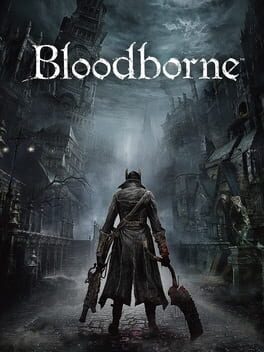
Bloodborne
Execution · Practiced Mastery
An aggressive soulslike about punishing fixed boss patterns with tight dodging.
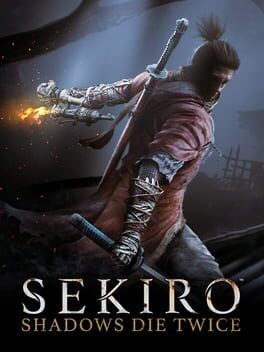
Sekiro: Shadows Die Twice
Execution · Practiced Mastery
A rhythm-parry action game about reading scripted tells with frame-tight timing.
Bloodborne leans Execution (Practiced Mastery); Sekiro: Shadows Die Twice leans Execution (Practiced Mastery).
BloodborneSekiro: Shadows Die Twice
Axis by axis
Execution8 vs 9
Sekiro: Shadows Die Twice leans a little harder on execution, though the gap is small.
Bloodborne
Aggressive dodges and rally timing demand sharp hands.
Sekiro: Shadows Die Twice
Frame-perfect parries are the entire combat system.
Reads1 vs 2
Sekiro: Shadows Die Twice leans a little harder on reads, though the gap is small.
Bloodborne
Bosses follow fixed movesets; no model of you.
Sekiro: Shadows Die Twice
Mikiri and perilous tells are scripted, not adaptive.
Variance2 vs 0
Bloodborne leans clearly harder on variance.
Bloodborne
Chalice dungeon layouts and drops add some randomness.
Sekiro: Shadows Die Twice
Almost no randomness; encounters are deterministic.
Optimization7 vs 7
Same score on optimization - which means the number cannot separate them. The difference is in what each one asks of you.
Bloodborne
Builds, weapons, and boss patterns are studyable and solvable.
Sekiro: Shadows Die Twice
Boss decks and prosthetic choices are fully learnable.
A matching score does not mean a matching test. Two games can both sit at 10 on execution and demand completely different things of you - which is why the reasoning above matters more than the number beside it.