Building comparison
head to head
Bloodstained: Curse of the MoonvsStreets of Rage
Neither is harder. They score identically on all four axes, so the difference between them is in kind, not degree.
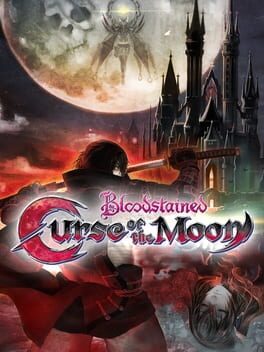
Bloodstained: Curse of the Moon
Execution · Practiced Mastery
Deliberate retro platform execution with character-swap route planning.
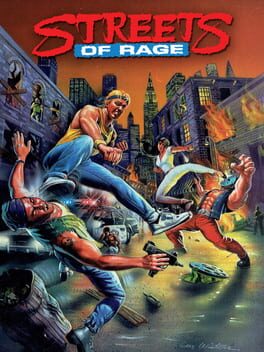
Streets of Rage
Execution · Practiced Mastery
Crowd-control execution against memorised enemy patterns, stage by stage.
Bloodstained: Curse of the Moon leans Execution (Practiced Mastery); Streets of Rage leans Execution (Practiced Mastery).
Bloodstained: Curse of the MoonStreets of Rage
Axis by axis
Execution7 vs 7
Same score on execution - which means the number cannot separate them. The difference is in what each one asks of you.
Bloodstained: Curse of the Moon
Stiff retro jumps and boss dodges demand committed inputs
Streets of Rage
Spacing, crowd control and throw timing carry every stage
Reads0 vs 0
Same score on reads - which means the number cannot separate them. The difference is in what each one asks of you.
Bloodstained: Curse of the Moon
Bosses telegraph from strictly fixed scripts
Streets of Rage
Enemy gangs attack from fixed arcade patterns
Variance1 vs 1
Same score on variance - which means the number cannot separate them. The difference is in what each one asks of you.
Bloodstained: Curse of the Moon
Levels are deterministic on every run
Streets of Rage
Spawns are essentially deterministic per stage
Optimization5 vs 5
Same score on optimization - which means the number cannot separate them. The difference is in what each one asks of you.
Bloodstained: Curse of the Moon
Character-swap routing and branch choices reward planning
Streets of Rage
One-credit clears come from learned positioning and patterns
A matching score does not mean a matching test. Two games can both sit at 10 on execution and demand completely different things of you - which is why the reasoning above matters more than the number beside it.
Related comparisons
Bloodstained: Curse of the Moon vs Grand Theft Auto VGrand Theft Auto V vs Streets of RageBloodstained: Curse of the Moon vs The Witcher 3: Wild HuntStreets of Rage vs The Witcher 3: Wild HuntBloodstained: Curse of the Moon vs Grand Theft Auto: San AndreasGrand Theft Auto: San Andreas vs Streets of Rage