Building comparison
head to head
Blue PrincevsFights in Tight Spaces
Neither is meaningfully harder - they pose close to the same test. The widest gap is execution, and it is a single point.
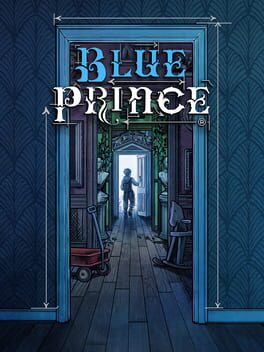
Blue Prince
Optimization · Systems & Chaos
A daily-run puzzle game where a randomised mansion layout must be navigated using logic and route planning.
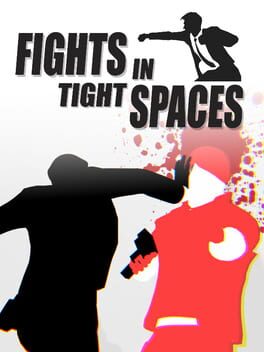
Fights in Tight Spaces
Optimization · Pure Optimization
A deckbuilder where positioning enemies in tight grid spaces to chain card combos is the deeply optimizable core.
Blue Prince leans Optimization (Systems & Chaos); Fights in Tight Spaces leans Optimization (Pure Optimization).
Blue PrinceFights in Tight Spaces
Axis by axis
Execution1 vs 2
Fights in Tight Spaces leans a little harder on execution, though the gap is small.
Blue Prince
Placing rooms and navigating them needs no dexterity
Fights in Tight Spaces
Slight timing element in cinematic ability triggers but minimal
Reads0 vs 0
Same score on reads - which means the number cannot separate them. The difference is in what each one asks of you.
Blue Prince
No adaptive opponent; solo mansion puzzle
Fights in Tight Spaces
Enemy AI is scripted with readable patterns
Variance6 vs 6
Same score on variance - which means the number cannot separate them. The difference is in what each one asks of you.
Blue Prince
Room deck draws randomise each run's layout and available doors
Fights in Tight Spaces
Card draw and enemy placement add meaningful randomness
Optimization8 vs 9
Fights in Tight Spaces leans a little harder on optimization, though the gap is small.
Blue Prince
Learning room interactions and optimal routing to reach Room 46 despite variance
Fights in Tight Spaces
Positioning combos and card chaining reward deep tactical planning
A matching score does not mean a matching test. Two games can both sit at 10 on execution and demand completely different things of you - which is why the reasoning above matters more than the number beside it.