Building comparison
head to head
Bravely DefaultvsZero Escape: Zero Time Dilemma
Neither is meaningfully harder - they pose close to the same test. The widest gap is variance, and it is a single point.

Bravely Default
Optimization · Pure Optimization
A classic-styled JRPG whose brave/default system turns turns themselves into a resource.
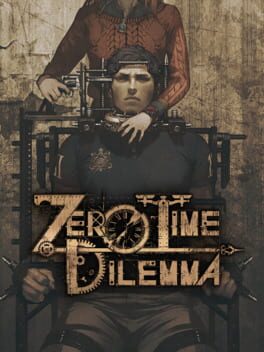
Zero Escape: Zero Time Dilemma
Optimization · Pure Optimization
A fragmented-timeline mystery that asks players to reconstruct causality across escape-room puzzles.
Bravely Default leans Optimization (Pure Optimization); Zero Escape: Zero Time Dilemma leans Optimization (Pure Optimization).
Bravely DefaultZero Escape: Zero Time Dilemma
Axis by axis
Execution0 vs 0
Same score on execution - which means the number cannot separate them. The difference is in what each one asks of you.
Bravely Default
Turn-based menus; no physical demands
Zero Escape: Zero Time Dilemma
No physical demands in escape rooms or choice screens
Reads0 vs 0
Same score on reads - which means the number cannot separate them. The difference is in what each one asks of you.
Bravely Default
Bosses follow fixed scripts
Zero Escape: Zero Time Dilemma
Fragment-based story has no adaptive opponent
Variance2 vs 3
Zero Escape: Zero Time Dilemma leans a little harder on variance, though the gap is small.
Bravely Default
Minor drop and encounter randomness
Zero Escape: Zero Time Dilemma
Non-linear fragment order and hidden outcomes obscure the path
Optimization8 vs 7
Bravely Default leans a little harder on optimization, though the gap is small.
Bravely Default
Job combos and brave/default economy are deeply solvable
Zero Escape: Zero Time Dilemma
Connecting all fragments to reach the true timeline is a logic puzzle
A matching score does not mean a matching test. Two games can both sit at 10 on execution and demand completely different things of you - which is why the reasoning above matters more than the number beside it.