Building comparison
head to head
Broken Sword 5: The Serpent's CursevsTales of Monkey Island
Neither is meaningfully harder - they pose close to the same test. The widest gap is variance, and it is a single point.
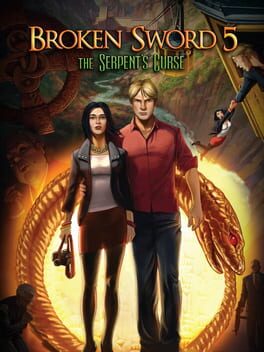
Broken Sword 5: The Serpent's Curse
Optimization · Systems & Chaos
A point-and-click adventure where a stolen painting drags George and Nico into a Gnostic conspiracy.
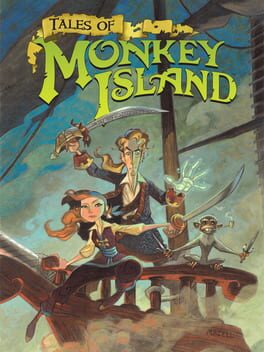
Tales of Monkey Island
Optimization · Pure Optimization
Telltale's episodic comedy adventure sending Guybrush Threepwood after a pox plaguing the Caribbean.
Broken Sword 5: The Serpent's Curse leans Optimization (Systems & Chaos); Tales of Monkey Island leans Optimization (Pure Optimization).
Broken Sword 5: The Serpent's CurseTales of Monkey Island
Axis by axis
Execution0 vs 0
Same score on execution - which means the number cannot separate them. The difference is in what each one asks of you.
Broken Sword 5: The Serpent's Curse
Click-driven; no manual skill ceiling.
Tales of Monkey Island
Click-driven; no physical demands.
Reads0 vs 0
Same score on reads - which means the number cannot separate them. The difference is in what each one asks of you.
Broken Sword 5: The Serpent's Curse
Gnostic conspiracy unfolds on rails.
Tales of Monkey Island
LeChuck and pirates are pure script.
Variance3 vs 2
Broken Sword 5: The Serpent's Curse leans a little harder on variance, though the gap is small.
Broken Sword 5: The Serpent's Curse
Art-theft mystery hides its heretical secret initially.
Tales of Monkey Island
Modern design telegraphs most puzzle information.
Optimization5 vs 5
Same score on optimization - which means the number cannot separate them. The difference is in what each one asks of you.
Broken Sword 5: The Serpent's Curse
Modern hint-friendly puzzles with fixed intended solutions.
Tales of Monkey Island
Episodic inventory puzzles each have one intended solution.
A matching score does not mean a matching test. Two games can both sit at 10 on execution and demand completely different things of you - which is why the reasoning above matters more than the number beside it.