Building comparison
head to head
Broken Sword: The Sleeping DragonvsGoodbye Deponia
Neither is meaningfully harder - they pose close to the same test. The widest gap is variance, and it is a single point.
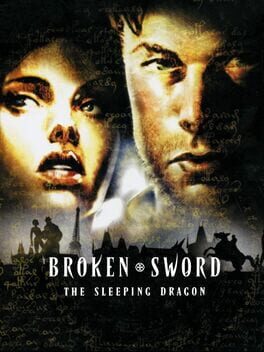
Broken Sword: The Sleeping Dragon
Optimization · Pure Optimization
A narrative adventure built around solvable item and logic puzzles.
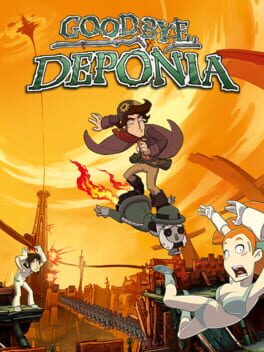
Goodbye Deponia
Optimization · Pure Optimization
The trilogy finale trades puzzle complexity for narrative resolution, testing observation over deduction.
Broken Sword: The Sleeping Dragon leans Optimization (Pure Optimization); Goodbye Deponia leans Optimization (Pure Optimization).
Broken Sword: The Sleeping DragonGoodbye Deponia
Axis by axis
Execution1 vs 1
Same score on execution - which means the number cannot separate them. The difference is in what each one asks of you.
Broken Sword: The Sleeping Dragon
light action segments, mostly puzzle-paced
Goodbye Deponia
No physical demands on the player
Reads0 vs 0
Same score on reads - which means the number cannot separate them. The difference is in what each one asks of you.
Broken Sword: The Sleeping Dragon
no adaptive antagonist present
Goodbye Deponia
Scripted finale with no adaptive opponent
Variance0 vs 1
Goodbye Deponia leans a little harder on variance, though the gap is small.
Broken Sword: The Sleeping Dragon
deterministic puzzle outcomes
Goodbye Deponia
Fixed narrative outcome with deterministic puzzles
Optimization7 vs 7
Same score on optimization - which means the number cannot separate them. The difference is in what each one asks of you.
Broken Sword: The Sleeping Dragon
item and dialogue logic puzzles
Goodbye Deponia
Closure-focused design eases puzzle density compared to predecessors
A matching score does not mean a matching test. Two games can both sit at 10 on execution and demand completely different things of you - which is why the reasoning above matters more than the number beside it.