Building comparison
head to head
Broken Sword: The Smoking MirrorvsGame of Thrones: A Telltale Games Series
Neither is meaningfully harder - they pose close to the same test. The widest gap is variance, and it is a single point.
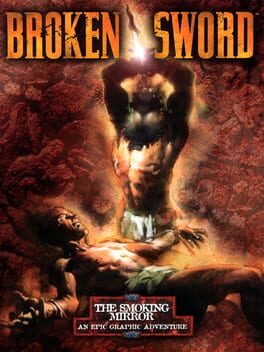
Broken Sword: The Smoking Mirror
Optimization · Light / Casual
A point-and-click adventure where inventory puzzle logic is the whole challenge.
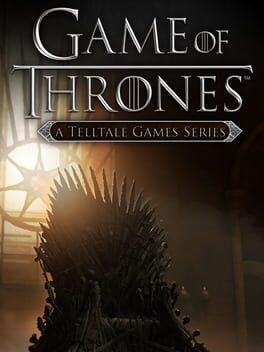
Game of Thrones: A Telltale Games Series
Variance · Light / Casual
A branching political story that tests choices, not skill.
Broken Sword: The Smoking Mirror leans Optimization (Light / Casual); Game of Thrones: A Telltale Games Series leans Variance (Light / Casual).
Broken Sword: The Smoking MirrorGame of Thrones: A Telltale Games Series
Axis by axis
Execution1 vs 1
Same score on execution - which means the number cannot separate them. The difference is in what each one asks of you.
Broken Sword: The Smoking Mirror
no physical skill, point-and-click
Game of Thrones: A Telltale Games Series
Forgiving quick-time prompts only
Reads0 vs 0
Same score on reads - which means the number cannot separate them. The difference is in what each one asks of you.
Broken Sword: The Smoking Mirror
no opponents, puzzle-driven
Game of Thrones: A Telltale Games Series
Scripted intrigue - no character actually models you
Variance1 vs 2
Game of Thrones: A Telltale Games Series leans a little harder on variance, though the gap is small.
Broken Sword: The Smoking Mirror
no meaningful randomness
Game of Thrones: A Telltale Games Series
Branch outcomes are hidden only until a second playthrough
Optimization3 vs 2
Broken Sword: The Smoking Mirror leans a little harder on optimization, though the gap is small.
Broken Sword: The Smoking Mirror
item puzzle logic is solvable
Game of Thrones: A Telltale Games Series
Choices steer flavour, not solvable systems
A matching score does not mean a matching test. Two games can both sit at 10 on execution and demand completely different things of you - which is why the reasoning above matters more than the number beside it.
full breakdown
Broken Sword: The Smoking Mirror →
full breakdown
Game of Thrones: A Telltale Games Series →
Related comparisons
Broken Sword: The Smoking Mirror vs The Walking DeadGame of Thrones: A Telltale Games Series vs The Walking DeadBroken Sword: The Smoking Mirror vs Detroit: Become HumanDetroit: Become Human vs Game of Thrones: A Telltale Games SeriesBroken Sword: The Smoking Mirror vs FirewatchFirewatch vs Game of Thrones: A Telltale Games Series