Building comparison
head to head
Cadence of HyrulevsShadow Warrior (2013)
Neither is harder. They score identically on all four axes, so the difference between them is in kind, not degree.

Cadence of Hyrule
Execution · Practiced Mastery
Zelda-flavored rhythm roguelike spinoff of Crypt of the NecroDancer.
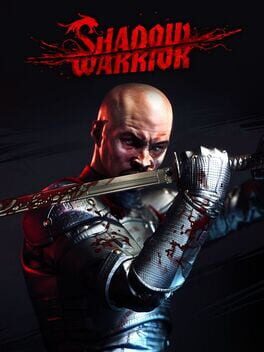
Shadow Warrior (2013)
Execution · Practiced Mastery
A sword-and-gun action shooter rewarding combo timing mastery and careful upgrade investment against scripted demon hordes.
Cadence of Hyrule leans Execution (Practiced Mastery); Shadow Warrior (2013) leans Execution (Practiced Mastery).
Cadence of HyruleShadow Warrior (2013)
Axis by axis
Execution8 vs 8
Same score on execution - which means the number cannot separate them. The difference is in what each one asks of you.
Cadence of Hyrule
Beat-timed combat with Zelda toolkit demands clean inputs.
Shadow Warrior (2013)
Sword combos and gunplay require precise timing and input chaining
Reads0 vs 0
Same score on reads - which means the number cannot separate them. The difference is in what each one asks of you.
Cadence of Hyrule
Enemies follow rhythmic scripted patterns.
Shadow Warrior (2013)
All enemies are scripted demons with fixed attack patterns
Variance3 vs 3
Same score on variance - which means the number cannot separate them. The difference is in what each one asks of you.
Cadence of Hyrule
Procedural overworld layout shifts each save.
Shadow Warrior (2013)
Upgrade drop randomness introduces mild run-to-run variance
Optimization6 vs 6
Same score on optimization - which means the number cannot separate them. The difference is in what each one asks of you.
Cadence of Hyrule
Item routes and combat patterns reward planning.
Shadow Warrior (2013)
Ki power and upgrade tree investment form a meaningful build layer
A matching score does not mean a matching test. Two games can both sit at 10 on execution and demand completely different things of you - which is why the reasoning above matters more than the number beside it.