Building comparison
head to head
Card SharkvsNeed for Speed: High Stakes
Neither is meaningfully harder - they pose close to the same test. The widest gap is reads, and it is a single point.
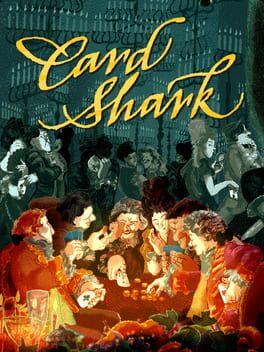
Card Shark
Execution · Practiced Mastery
A dexterity-focused card-cheating game where executing sleight-of-hand maneuvers under time pressure is the primary test.
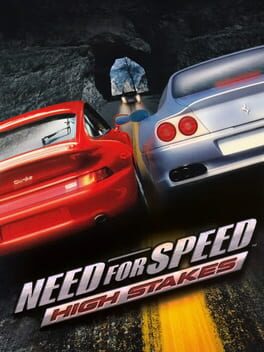
Need for Speed: High Stakes
Execution · Practiced Mastery
Clean driving lines under pursuit pressure, with an economy that punishes crashing.
Card Shark leans Execution (Practiced Mastery); Need for Speed: High Stakes leans Execution (Practiced Mastery).
Card SharkNeed for Speed: High Stakes
Axis by axis
Execution7 vs 7
Same score on execution - which means the number cannot separate them. The difference is in what each one asks of you.
Card Shark
Cheating gestures require precise timing and sleight-of-hand inputs
Need for Speed: High Stakes
Cornering and racing lines at speed are the whole test
Reads2 vs 1
Card Shark leans a little harder on reads, though the gap is small.
Card Shark
NPC marks follow scripted reactions; not truly adaptive
Need for Speed: High Stakes
Police and rivals follow predictable AI routines
Variance3 vs 2
Card Shark leans a little harder on variance, though the gap is small.
Card Shark
Card distribution contains some hidden info but is secondary
Need for Speed: High Stakes
Traffic placement adds mild run-to-run chaos
Optimization5 vs 5
Same score on optimization - which means the number cannot separate them. The difference is in what each one asks of you.
Card Shark
Learning optimal cheat sequences and tells is a solvable puzzle
Need for Speed: High Stakes
Car choice, upgrades and career economy reward planning
A matching score does not mean a matching test. Two games can both sit at 10 on execution and demand completely different things of you - which is why the reasoning above matters more than the number beside it.