Building comparison
head to head
Carmageddon: Max DamagevsNeed for Speed: Payback
Neither is harder. They score identically on all four axes, so the difference between them is in kind, not degree.
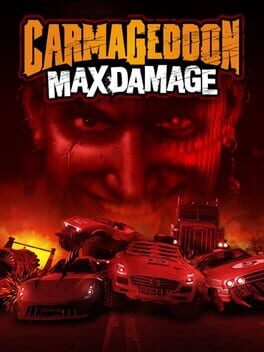
Carmageddon: Max Damage
Execution · Practiced Mastery
Chaotic vehicular destruction testing driving control and map knowledge.

Need for Speed: Payback
Execution · Practiced Mastery
Arcade driving gated by a randomised upgrade-card progression economy.
Carmageddon: Max Damage leans Execution (Practiced Mastery); Need for Speed: Payback leans Execution (Practiced Mastery).
Carmageddon: Max DamageNeed for Speed: Payback
Axis by axis
Execution6 vs 6
Same score on execution - which means the number cannot separate them. The difference is in what each one asks of you.
Carmageddon: Max Damage
Vehicular mayhem rewards precise ramming and recovery driving
Need for Speed: Payback
Arcade handling and chase setpieces need decent hands
Reads1 vs 1
Same score on reads - which means the number cannot separate them. The difference is in what each one asks of you.
Carmageddon: Max Damage
AI rivals follow routines, not your mind
Need for Speed: Payback
Cops and rivals run scripted pursuit logic
Variance3 vs 3
Same score on variance - which means the number cannot separate them. The difference is in what each one asks of you.
Carmageddon: Max Damage
Physics chaos and pickup spawns scramble outcomes
Need for Speed: Payback
Speed-card upgrade rolls gate progression randomly
Optimization5 vs 5
Same score on optimization - which means the number cannot separate them. The difference is in what each one asks of you.
Carmageddon: Max Damage
Knowing maps, shortcuts and wreck-economy wins events
Need for Speed: Payback
Grinding efficient builds and routes is the systems layer
A matching score does not mean a matching test. Two games can both sit at 10 on execution and demand completely different things of you - which is why the reasoning above matters more than the number beside it.
Related comparisons
Carmageddon: Max Damage vs Grand Theft Auto VGrand Theft Auto V vs Need for Speed: PaybackCarmageddon: Max Damage vs The Witcher 3: Wild HuntNeed for Speed: Payback vs The Witcher 3: Wild HuntCarmageddon: Max Damage vs Grand Theft Auto: San AndreasGrand Theft Auto: San Andreas vs Need for Speed: Payback