Building comparison
head to head
CelestevsThe Impossible Game
Neither is meaningfully harder - they pose close to the same test. The widest gap is execution, and it is a single point.

Celeste
Execution · Pure Mechanics
A deterministic precision platformer about executing pixel-perfect dash routes.
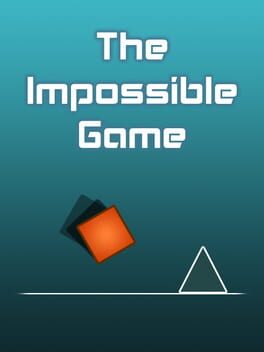
The Impossible Game
Execution · Pure Mechanics
Tests frame-tight jump timing through fully memorisable obstacle sequences.
Celeste leans Execution (Pure Mechanics); The Impossible Game leans Execution (Pure Mechanics).
CelesteThe Impossible Game
Axis by axis
Execution10 vs 9
Celeste leans a little harder on execution, though the gap is small.
Celeste
Pixel-perfect dashes and wavedashes are the entire skill.
The Impossible Game
One mistimed jump restarts the level - perfect inputs win alone
Reads0 vs 0
Same score on reads - which means the number cannot separate them. The difference is in what each one asks of you.
Celeste
No opponent; level hazards are fully scripted.
The Impossible Game
Solo - nothing to predict
Variance0 vs 0
Same score on variance - which means the number cannot separate them. The difference is in what each one asks of you.
Celeste
Zero randomness; every screen is deterministic.
The Impossible Game
Levels are identical on every attempt
Optimization4 vs 5
The Impossible Game leans a little harder on optimization, though the gap is small.
Celeste
Route choice and tech selection are learnable but light.
The Impossible Game
Memorising the jump sequence is half the climb
A matching score does not mean a matching test. Two games can both sit at 10 on execution and demand completely different things of you - which is why the reasoning above matters more than the number beside it.