Building comparison
head to head
Chaos on DeponiavsMario's Super Picross
Neither is harder. They score identically on all four axes, so the difference between them is in kind, not degree.
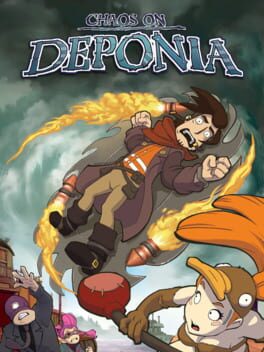
Chaos on Deponia
Optimization · Pure Optimization
The second Deponia chapter continues elaborate fixed-solution puzzle chains demanding methodical thinking.

Mario's Super Picross
Optimization · Pure Optimization
Pure logical deduction - each nonogram is fully solvable from its number clues.
Chaos on Deponia leans Optimization (Pure Optimization); Mario's Super Picross leans Optimization (Pure Optimization).
Chaos on DeponiaMario's Super Picross
Axis by axis
Execution1 vs 1
Same score on execution - which means the number cannot separate them. The difference is in what each one asks of you.
Chaos on Deponia
Same interface as original; zero reflex component
Mario's Super Picross
Marking cells has no speed pressure worth naming
Reads0 vs 0
Same score on reads - which means the number cannot separate them. The difference is in what each one asks of you.
Chaos on Deponia
Continuation of scripted comedy narrative
Mario's Super Picross
A logic grid cannot adapt to you
Variance1 vs 1
Same score on variance - which means the number cannot separate them. The difference is in what each one asks of you.
Chaos on Deponia
Deterministic solutions throughout second chapter
Mario's Super Picross
The hidden picture is fully derivable from the clues
Optimization8 vs 8
Same score on optimization - which means the number cannot separate them. The difference is in what each one asks of you.
Chaos on Deponia
Increasingly complex puzzle architecture rewards systematic inventory management
Mario's Super Picross
Pure logical deduction - every puzzle is literally solvable
A matching score does not mean a matching test. Two games can both sit at 10 on execution and demand completely different things of you - which is why the reasoning above matters more than the number beside it.