Building comparison
head to head
Child of LightvsFinal Fantasy XIII-2
Neither is meaningfully harder - they pose close to the same test. The widest gap is execution, and it is a single point.
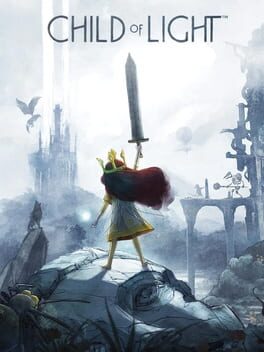
Child of Light
Optimization · Pure Optimization
Painterly turn-based RPG built around interrupting enemies on a shared timeline.
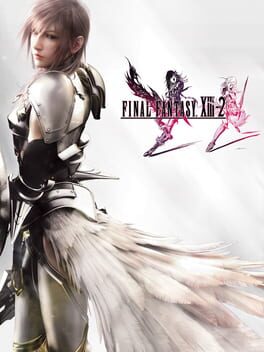
Final Fantasy XIII-2
Optimization · Pure Optimization
A time-hopping JRPG sequel built on stagger combos, paradigm switching, and collecting tameable monsters.
Child of Light leans Optimization (Pure Optimization); Final Fantasy XIII-2 leans Optimization (Pure Optimization).
Child of LightFinal Fantasy XIII-2
Axis by axis
Execution2 vs 3
Final Fantasy XIII-2 leans a little harder on execution, though the gap is small.
Child of Light
Timeline interrupts need only light timing
Final Fantasy XIII-2
Real-time paradigm shifts and QTEs need modest timing.
Reads0 vs 0
Same score on reads - which means the number cannot separate them. The difference is in what each one asks of you.
Child of Light
Enemy AI is scripted
Final Fantasy XIII-2
Boss behaviours are scripted and learnable.
Variance2 vs 3
Final Fantasy XIII-2 leans a little harder on variance, though the gap is small.
Child of Light
Minor drop randomness
Final Fantasy XIII-2
Monster drops and timeline secrets until catalogued.
Optimization8 vs 8
Same score on optimization - which means the number cannot separate them. The difference is in what each one asks of you.
Child of Light
Timeline manipulation, oculi crafting, skill trees
Final Fantasy XIII-2
Paradigm decks, monster builds, and stagger routing are the game.
A matching score does not mean a matching test. Two games can both sit at 10 on execution and demand completely different things of you - which is why the reasoning above matters more than the number beside it.