Building comparison
head to head
Child of LightvsXenoblade Chronicles
Neither is harder. They score identically on all four axes, so the difference between them is in kind, not degree.
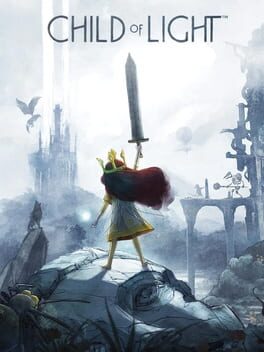
Child of Light
Optimization · Pure Optimization
Painterly turn-based RPG built around interrupting enemies on a shared timeline.
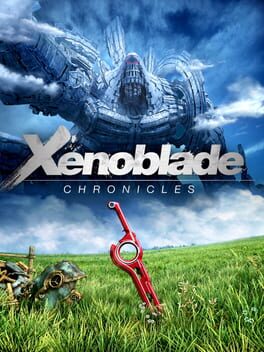
Xenoblade Chronicles
Optimization · Pure Optimization
An open-world JRPG where build construction and art rotation planning win battles.
Child of Light leans Optimization (Pure Optimization); Xenoblade Chronicles leans Optimization (Pure Optimization).
Child of LightXenoblade Chronicles
Axis by axis
Execution2 vs 2
Same score on execution - which means the number cannot separate them. The difference is in what each one asks of you.
Child of Light
Timeline interrupts need only light timing
Xenoblade Chronicles
Positioning during auto-attack combat needs minimal dexterity
Reads0 vs 0
Same score on reads - which means the number cannot separate them. The difference is in what each one asks of you.
Child of Light
Enemy AI is scripted
Xenoblade Chronicles
Enemy AI runs fixed aggro and art rotations
Variance2 vs 2
Same score on variance - which means the number cannot separate them. The difference is in what each one asks of you.
Child of Light
Minor drop randomness
Xenoblade Chronicles
Drop rates and unexplored zones add mild uncertainty
Optimization8 vs 8
Same score on optimization - which means the number cannot separate them. The difference is in what each one asks of you.
Child of Light
Timeline manipulation, oculi crafting, skill trees
Xenoblade Chronicles
Art rotations, gem crafting and party builds decide fights
A matching score does not mean a matching test. Two games can both sit at 10 on execution and demand completely different things of you - which is why the reasoning above matters more than the number beside it.