Building comparison
head to head
Citizen SleepervsDigimon Digital Card Battle
Neither is harder. They score identically on all four axes, so the difference between them is in kind, not degree.
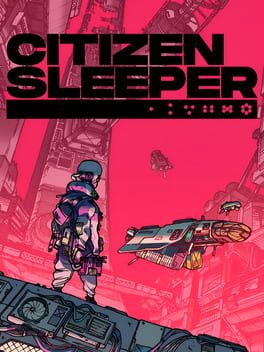
Citizen Sleeper
Optimization · Systems & Chaos
A tabletop-flavored RPG about an android surviving on a derelict station.
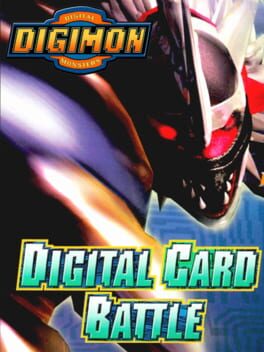
Digimon Digital Card Battle
Optimization · Systems & Chaos
PS1 card battler where you build Digimon decks and out-draw scripted AI opponents across themed arenas.
Citizen Sleeper leans Optimization (Systems & Chaos); Digimon Digital Card Battle leans Optimization (Systems & Chaos).
Citizen SleeperDigimon Digital Card Battle
Axis by axis
Execution0 vs 0
Same score on execution - which means the number cannot separate them. The difference is in what each one asks of you.
Citizen Sleeper
Dice placement, no manual skill.
Digimon Digital Card Battle
No physical component
Reads1 vs 1
Same score on reads - which means the number cannot separate them. The difference is in what each one asks of you.
Citizen Sleeper
NPCs follow branching scripts.
Digimon Digital Card Battle
AI opponents follow mappable tendencies, not adaptation
Variance6 vs 6
Same score on variance - which means the number cannot separate them. The difference is in what each one asks of you.
Citizen Sleeper
Daily dice rolls drive outcomes.
Digimon Digital Card Battle
Card draws and hidden opponent hands drive swings
Optimization7 vs 7
Same score on optimization - which means the number cannot separate them. The difference is in what each one asks of you.
Citizen Sleeper
Action allocation and clock management dominate.
Digimon Digital Card Battle
Deck construction against known AI decks is solvable
A matching score does not mean a matching test. Two games can both sit at 10 on execution and demand completely different things of you - which is why the reasoning above matters more than the number beside it.