Building comparison
head to head
Company of HeroesvsWarhammer 40,000: Dawn of War II
Neither is meaningfully harder - they pose close to the same test. The widest gap is optimization, and it is a single point.

Company of Heroes
Execution · Grand Arena
WWII squad-tactics RTS where cover micro, sector pressure, and doctrine counters form an interlocking test.
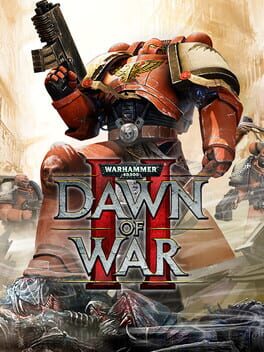
Warhammer 40,000: Dawn of War II
Execution · Grand Arena
Hero-driven squad RTS where wargear optimization and ability timing combine with reading aggressive opponents.
Company of Heroes leans Execution (Grand Arena); Warhammer 40,000: Dawn of War II leans Execution (Grand Arena).
Company of HeroesWarhammer 40,000: Dawn of War II
Axis by axis
Execution7 vs 7
Same score on execution - which means the number cannot separate them. The difference is in what each one asks of you.
Company of Heroes
Infantry cover micro and suppression-break timing are precise demands
Warhammer 40,000: Dawn of War II
Hero ability activation and squad retreat timing are mechanically demanding
Reads7 vs 7
Same score on reads - which means the number cannot separate them. The difference is in what each one asks of you.
Company of Heroes
Opponent sector pushes and doctrine choices must be predicted
Warhammer 40,000: Dawn of War II
Opponent army composition and hero focus must be predicted
Variance4 vs 4
Same score on variance - which means the number cannot separate them. The difference is in what each one asks of you.
Company of Heroes
Reinforcement point capture variance and munitions drops add uncertainty
Warhammer 40,000: Dawn of War II
Retreat damage, wargear drops, and map control variance add uncertainty
Optimization7 vs 6
Company of Heroes leans a little harder on optimization, though the gap is small.
Company of Heroes
Resource point priority and doctrine selection are learnable systems
Warhammer 40,000: Dawn of War II
Wargear builds and ability upgrade sequences are optimizable
A matching score does not mean a matching test. Two games can both sit at 10 on execution and demand completely different things of you - which is why the reasoning above matters more than the number beside it.