Building comparison
head to head
CounterSpyvsTom Clancy's Splinter Cell: Conviction
CounterSpy asks more than Tom Clancy's Splinter Cell: Conviction, and the gap is variance.
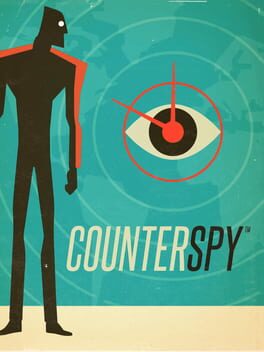
CounterSpy
Optimization · Practiced Mastery
A stylish side-scrolling stealth game where a rogue agent sabotages both Cold War superpowers.
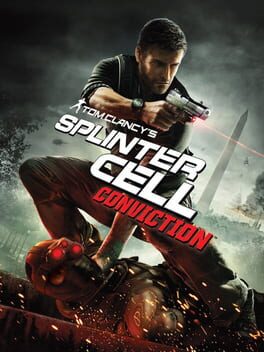
Tom Clancy's Splinter Cell: Conviction
Execution · Practiced Mastery
An action-leaning stealth entry where aggressive optimal clears replace pure ghosting.
CounterSpy leans Optimization (Practiced Mastery); Tom Clancy's Splinter Cell: Conviction leans Execution (Practiced Mastery).
CounterSpyTom Clancy's Splinter Cell: Conviction
Axis by axis
Execution5 vs 6
Tom Clancy's Splinter Cell: Conviction leans a little harder on execution, though the gap is small.
CounterSpy
Cover shooting and quick takedowns need decent reflexes
Tom Clancy's Splinter Cell: Conviction
Mark-and-execute flow rewards quick, accurate play
Reads0 vs 1
Tom Clancy's Splinter Cell: Conviction leans a little harder on reads, though the gap is small.
CounterSpy
Guard AI is simple and predictable
Tom Clancy's Splinter Cell: Conviction
Enemies search via scripted last-known-position logic
Variance4 vs 2
CounterSpy leans clearly harder on variance.
CounterSpy
Procedurally assembled levels stay unknown until entered
Tom Clancy's Splinter Cell: Conviction
Mild uncertainty in enemy search behavior
Optimization6 vs 6
Same score on optimization - which means the number cannot separate them. The difference is in what each one asks of you.
CounterSpy
Managing DEFCON risk and weapon plans is systematic
Tom Clancy's Splinter Cell: Conviction
Encounter rooms have clear optimal clear orders
A matching score does not mean a matching test. Two games can both sit at 10 on execution and demand completely different things of you - which is why the reasoning above matters more than the number beside it.
Related comparisons
CounterSpy vs Grand Theft Auto VGrand Theft Auto V vs Tom Clancy's Splinter Cell: ConvictionCounterSpy vs The Witcher 3: Wild HuntThe Witcher 3: Wild Hunt vs Tom Clancy's Splinter Cell: ConvictionCounterSpy vs Grand Theft Auto: San AndreasGrand Theft Auto: San Andreas vs Tom Clancy's Splinter Cell: Conviction