Building comparison
head to head
Crash Bandicoot: On the Run!vsMetroid
Neither is meaningfully harder - they pose close to the same test. The widest gap is execution, and it is a single point.
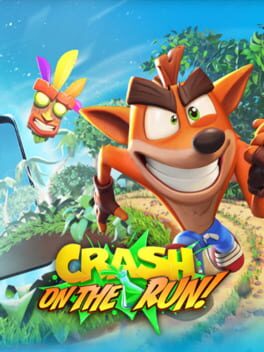
Crash Bandicoot: On the Run!
Optimization · Practiced Mastery
A mobile endless-runner spin-off of Crash Bandicoot with base-building elements.
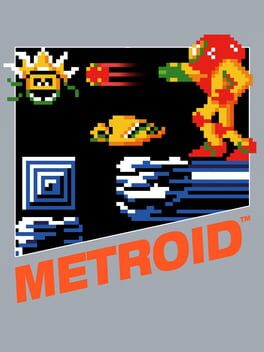
Metroid
Optimization · Practiced Mastery
The 1986 original that defined exploration-driven, secret-riddled platforming.
Crash Bandicoot: On the Run! leans Optimization (Practiced Mastery); Metroid leans Optimization (Practiced Mastery).
Crash Bandicoot: On the Run!Metroid
Axis by axis
Execution4 vs 5
Metroid leans a little harder on execution, though the gap is small.
Crash Bandicoot: On the Run!
Timed swipes and dodges in endless-runner segments.
Metroid
stiff NES jumps and tough enemy contact
Reads0 vs 0
Same score on reads - which means the number cannot separate them. The difference is in what each one asks of you.
Crash Bandicoot: On the Run!
No opposing player, purely solo runner mechanics.
Metroid
creatures follow fixed movement
Variance3 vs 3
Same score on variance - which means the number cannot separate them. The difference is in what each one asks of you.
Crash Bandicoot: On the Run!
Randomized run layouts and loot drops.
Metroid
unmarked secrets and bombable blocks hide the map
Optimization6 vs 6
Same score on optimization - which means the number cannot separate them. The difference is in what each one asks of you.
Crash Bandicoot: On the Run!
Base-building and resource optimization define long-term progress.
Metroid
route and item knowledge transforms the game
A matching score does not mean a matching test. Two games can both sit at 10 on execution and demand completely different things of you - which is why the reasoning above matters more than the number beside it.