Building comparison
head to head
Dawn of DiscoveryvsGrand Ages: Medieval
Neither is meaningfully harder - they pose close to the same test. The widest gap is execution, and it is a single point.
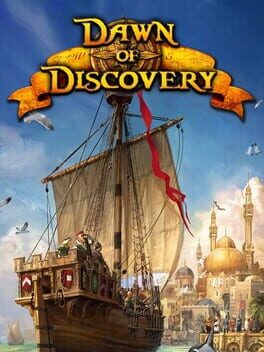
Dawn of Discovery
Optimization · Pure Optimization
An economic engine puzzle about balancing production chains across island settlements.
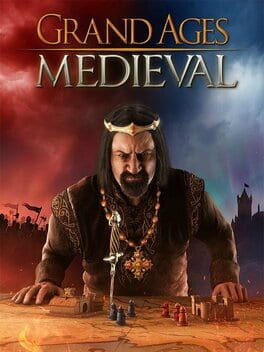
Grand Ages: Medieval
Optimization · Pure Optimization
Building a medieval trade empire by optimizing routes, cities and economy across Europe.
Dawn of Discovery leans Optimization (Pure Optimization); Grand Ages: Medieval leans Optimization (Pure Optimization).
Dawn of DiscoveryGrand Ages: Medieval
Axis by axis
Execution2 vs 1
Dawn of Discovery leans a little harder on execution, though the gap is small.
Dawn of Discovery
Pausable building keeps hands out of the equation
Grand Ages: Medieval
No twitch input - menus and orders only
Reads1 vs 2
Grand Ages: Medieval leans a little harder on reads, though the gap is small.
Dawn of Discovery
AI traders and rivals follow predictable scripts
Grand Ages: Medieval
AI rivals follow fixed strategy, not adaptive modelling
Variance2 vs 2
Same score on variance - which means the number cannot separate them. The difference is in what each one asks of you.
Dawn of Discovery
Island fertilities and resources are unknown until scouted
Grand Ages: Medieval
Map and events scripted-but-unknown until explored
Optimization9 vs 9
Same score on optimization - which means the number cannot separate them. The difference is in what each one asks of you.
Dawn of Discovery
Production chains and population-tier economics are the entire game
Grand Ages: Medieval
Trade routes, city placement and economy are the solvable core
A matching score does not mean a matching test. Two games can both sit at 10 on execution and demand completely different things of you - which is why the reasoning above matters more than the number beside it.