Building comparison
head to head
Defender of the CrownvsThe Witcher 3: Wild Hunt
Defender of the Crown asks more than The Witcher 3: Wild Hunt, and the gap is variance.
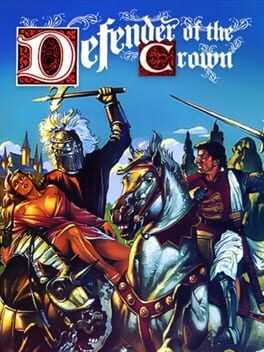
Defender of the Crown
Optimization · Practiced Mastery
Cinemaware conquest game alternating territory strategy with jousting and raid action minigames.
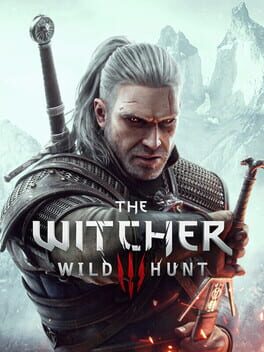
The Witcher 3: Wild Hunt
Optimization · Practiced Mastery
A narrative action RPG where build planning matters more than reflex execution.
Defender of the Crown leans Optimization (Practiced Mastery); The Witcher 3: Wild Hunt leans Optimization (Practiced Mastery).
Defender of the CrownThe Witcher 3: Wild Hunt
Axis by axis
Execution4 vs 4
Same score on execution - which means the number cannot separate them. The difference is in what each one asks of you.
Defender of the Crown
Jousting and swordfight minigames need arcade timing
The Witcher 3: Wild Hunt
Combat timing matters but generous dodges forgive sloppy play.
Reads1 vs 1
Same score on reads - which means the number cannot separate them. The difference is in what each one asks of you.
Defender of the Crown
Rival lords act from simple fixed logic
The Witcher 3: Wild Hunt
Enemies use fixed AI behaviours; no adaptation.
Variance4 vs 2
Defender of the Crown leans clearly harder on variance.
Defender of the Crown
Raid outcomes and rival moves carry real randomness
The Witcher 3: Wild Hunt
Loot rolls and minor combat variance only.
Optimization6 vs 6
Same score on optimization - which means the number cannot separate them. The difference is in what each one asks of you.
Defender of the Crown
Territory economy and army math are the strategic core
The Witcher 3: Wild Hunt
Builds, alchemy, and quest routing reward planning.
A matching score does not mean a matching test. Two games can both sit at 10 on execution and demand completely different things of you - which is why the reasoning above matters more than the number beside it.