Building comparison
head to head
Desperados IIIvsShadow Tactics: Blades of the Shogun
Neither is harder. They score identically on all four axes, so the difference between them is in kind, not degree.

Desperados III
Optimization · Practiced Mastery
Choreographing simultaneous character abilities with precise timing to solve intricate stealth puzzles.
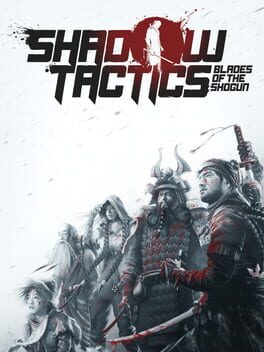
Shadow Tactics: Blades of the Shogun
Optimization · Practiced Mastery
Precisely timing simultaneous character actions to execute optimal stealth routes through fixed guard patterns.
Desperados III leans Optimization (Practiced Mastery); Shadow Tactics: Blades of the Shogun leans Optimization (Practiced Mastery).
Desperados IIIShadow Tactics: Blades of the Shogun
Axis by axis
Execution6 vs 6
Same score on execution - which means the number cannot separate them. The difference is in what each one asks of you.
Desperados III
Simultaneous pause-and-execute actions demand precise timing coordination
Shadow Tactics: Blades of the Shogun
Precise timing windows on simultaneous multi-character abilities matter
Reads1 vs 1
Same score on reads - which means the number cannot separate them. The difference is in what each one asks of you.
Desperados III
Enemy patrols are fully scripted; no adaptive opposition
Shadow Tactics: Blades of the Shogun
Guard patrol routes are fixed; no opponent models you
Variance3 vs 3
Same score on variance - which means the number cannot separate them. The difference is in what each one asks of you.
Desperados III
Guard patrol overlap creates some hidden-state uncertainty early on
Shadow Tactics: Blades of the Shogun
Guard cone randomness is minimal once patterns are learned
Optimization8 vs 8
Same score on optimization - which means the number cannot separate them. The difference is in what each one asks of you.
Desperados III
Finding the ideal simultaneous action sequence per map is the core puzzle
Shadow Tactics: Blades of the Shogun
Route planning and ability combo sequencing reduce to near-perfect solutions
A matching score does not mean a matching test. Two games can both sit at 10 on execution and demand completely different things of you - which is why the reasoning above matters more than the number beside it.
Related comparisons
Desperados III vs Grand Theft Auto VGrand Theft Auto V vs Shadow Tactics: Blades of the ShogunDesperados III vs The Witcher 3: Wild HuntShadow Tactics: Blades of the Shogun vs The Witcher 3: Wild HuntDesperados III vs Grand Theft Auto: San AndreasGrand Theft Auto: San Andreas vs Shadow Tactics: Blades of the Shogun