Building comparison
head to head
Diddy Kong RacingvsNeed for Speed: Payback
Neither is meaningfully harder - they pose close to the same test. The widest gap is execution, and it is a single point.
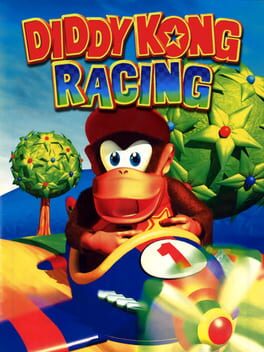
Diddy Kong Racing
Execution · Practiced Mastery
A kart racer with an adventure structure and three vehicle types, lighter on item chaos than its rivals.
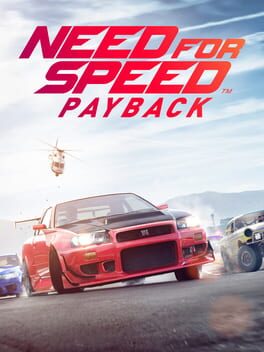
Need for Speed: Payback
Execution · Practiced Mastery
Arcade driving gated by a randomised upgrade-card progression economy.
Diddy Kong Racing leans Execution (Practiced Mastery); Need for Speed: Payback leans Execution (Practiced Mastery).
Diddy Kong RacingNeed for Speed: Payback
Axis by axis
Execution7 vs 6
Diddy Kong Racing leans a little harder on execution, though the gap is small.
Diddy Kong Racing
Drift boosts across car, hovercraft and plane demand precision.
Need for Speed: Payback
Arcade handling and chase setpieces need decent hands
Reads1 vs 1
Same score on reads - which means the number cannot separate them. The difference is in what each one asks of you.
Diddy Kong Racing
Multiplayer item duels add mild prediction; AI is scripted.
Need for Speed: Payback
Cops and rivals run scripted pursuit logic
Variance3 vs 3
Same score on variance - which means the number cannot separate them. The difference is in what each one asks of you.
Diddy Kong Racing
Balloon pickups and items inject moderate randomness.
Need for Speed: Payback
Speed-card upgrade rolls gate progression randomly
Optimization5 vs 5
Same score on optimization - which means the number cannot separate them. The difference is in what each one asks of you.
Diddy Kong Racing
Vehicle choice, balloon upgrade routes and boss strategies converge.
Need for Speed: Payback
Grinding efficient builds and routes is the systems layer
A matching score does not mean a matching test. Two games can both sit at 10 on execution and demand completely different things of you - which is why the reasoning above matters more than the number beside it.