Building comparison
head to head
Divinity: Original Sin II - Definitive EditionvsFire Emblem: Three Houses
Neither is harder. They score identically on all four axes, so the difference between them is in kind, not degree.
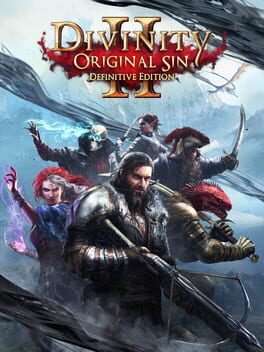
Divinity: Original Sin II - Definitive Edition
Optimization · Pure Optimization
Deep tactical build crafting and elemental combo solving across set-piece turn-based encounters.
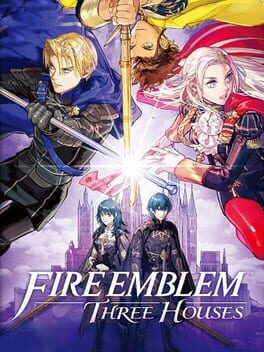
Fire Emblem: Three Houses
Optimization · Pure Optimization
A tactical RPG solved through long-horizon build and class planning.
Divinity: Original Sin II - Definitive Edition leans Optimization (Pure Optimization); Fire Emblem: Three Houses leans Optimization (Pure Optimization).
Divinity: Original Sin II - Definitive EditionFire Emblem: Three Houses
Axis by axis
Execution1 vs 1
Same score on execution - which means the number cannot separate them. The difference is in what each one asks of you.
Divinity: Original Sin II - Definitive Edition
Turn-based combat removes any physical ceiling
Fire Emblem: Three Houses
Menu-driven, no mechanical bar
Reads1 vs 1
Same score on reads - which means the number cannot separate them. The difference is in what each one asks of you.
Divinity: Original Sin II - Definitive Edition
Optional PvP arena aside, AI follows mappable behaviour
Fire Emblem: Three Houses
AI follows fixed aggression rules
Variance3 vs 3
Same score on variance - which means the number cannot separate them. The difference is in what each one asks of you.
Divinity: Original Sin II - Definitive Edition
Initiative rolls, random loot and unknown encounters add spice
Fire Emblem: Three Houses
Hit rates and crit RNG affect runs
Optimization9 vs 9
Same score on optimization - which means the number cannot separate them. The difference is in what each one asks of you.
Divinity: Original Sin II - Definitive Edition
Build synergies, surface combos and positioning are deeply solvable
Fire Emblem: Three Houses
Class routing and build planning dominates
A matching score does not mean a matching test. Two games can both sit at 10 on execution and demand completely different things of you - which is why the reasoning above matters more than the number beside it.
full breakdown
Divinity: Original Sin II - Definitive Edition →
full breakdown
Fire Emblem: Three Houses →
Related comparisons
Divinity: Original Sin II - Definitive Edition vs Portal 2Fire Emblem: Three Houses vs Portal 2Divinity: Original Sin II - Definitive Edition vs The Elder Scrolls V: SkyrimFire Emblem: Three Houses vs The Elder Scrolls V: SkyrimDivinity: Original Sin II - Definitive Edition vs PortalFire Emblem: Three Houses vs Portal