Building comparison
head to head
DmC: Devil May CryvsStellar Blade
Neither is meaningfully harder - they pose close to the same test. The widest gap is execution, and it is a single point.
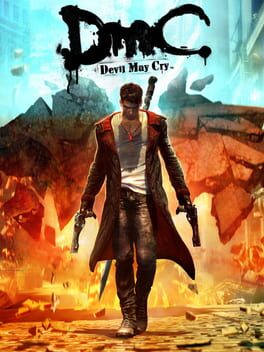
DmC: Devil May Cry
Execution · Practiced Mastery
Ninja Theory's stylish-action reboot with angel-demon stance switching through a shifting Limbo.

Stellar Blade
Execution · Practiced Mastery
A character action RPG built on tight parry timing against elaborate scripted bosses.
DmC: Devil May Cry leans Execution (Practiced Mastery); Stellar Blade leans Execution (Practiced Mastery).
DmC: Devil May CryStellar Blade
Axis by axis
Execution7 vs 8
Stellar Blade leans a little harder on execution, though the gap is small.
DmC: Devil May Cry
Angel/demon stance weaving is demanding but softer than mainline
Stellar Blade
Parry and perfect-dodge timing windows define the ceiling
Reads0 vs 1
Stellar Blade leans a little harder on reads, though the gap is small.
DmC: Devil May Cry
Color-coded enemies dictate fixed answers
Stellar Blade
Bosses run fixed movesets, learnable not adaptive
Variance1 vs 1
Same score on variance - which means the number cannot separate them. The difference is in what each one asks of you.
DmC: Devil May Cry
Limbo levels are authored spectacle, not random
Stellar Blade
Encounters and loot are static and predictable
Optimization6 vs 6
Same score on optimization - which means the number cannot separate them. The difference is in what each one asks of you.
DmC: Devil May Cry
Color-coding turns encounters into solvable matching puzzles
Stellar Blade
Exospine builds, gear and moveset study reward preparation
A matching score does not mean a matching test. Two games can both sit at 10 on execution and demand completely different things of you - which is why the reasoning above matters more than the number beside it.