Building comparison
head to head
DmC: Devil May CryvsTeenage Mutant Ninja Turtles IV: Turtles in Time
Neither is meaningfully harder - they pose close to the same test. The widest gap is reads, and it is a single point.
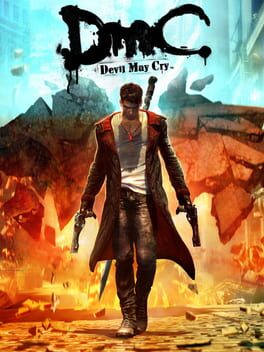
DmC: Devil May Cry
Execution · Practiced Mastery
Ninja Theory's stylish-action reboot with angel-demon stance switching through a shifting Limbo.
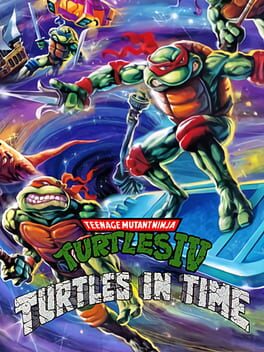
Teenage Mutant Ninja Turtles IV: Turtles in Time
Execution · Practiced Mastery
A classic arcade brawler sending the turtles through time to pummel Foot Clan waves.
DmC: Devil May Cry leans Execution (Practiced Mastery); Teenage Mutant Ninja Turtles IV: Turtles in Time leans Execution (Practiced Mastery).
DmC: Devil May CryTeenage Mutant Ninja Turtles IV: Turtles in Time
Axis by axis
Execution7 vs 7
Same score on execution - which means the number cannot separate them. The difference is in what each one asks of you.
DmC: Devil May Cry
Angel/demon stance weaving is demanding but softer than mainline
Teenage Mutant Ninja Turtles IV: Turtles in Time
Throw timing, positioning, and boss dodges are the whole test.
Reads0 vs 1
Teenage Mutant Ninja Turtles IV: Turtles in Time leans a little harder on reads, though the gap is small.
DmC: Devil May Cry
Color-coded enemies dictate fixed answers
Teenage Mutant Ninja Turtles IV: Turtles in Time
Foot Soldiers run fixed scripts.
Variance1 vs 1
Same score on variance - which means the number cannot separate them. The difference is in what each one asks of you.
DmC: Devil May Cry
Limbo levels are authored spectacle, not random
Teenage Mutant Ninja Turtles IV: Turtles in Time
Stages and waves are essentially fixed.
Optimization6 vs 5
DmC: Devil May Cry leans a little harder on optimization, though the gap is small.
DmC: Devil May Cry
Color-coding turns encounters into solvable matching puzzles
Teenage Mutant Ninja Turtles IV: Turtles in Time
Wave layouts and boss patterns are fully memorisable.
A matching score does not mean a matching test. Two games can both sit at 10 on execution and demand completely different things of you - which is why the reasoning above matters more than the number beside it.
Related comparisons
DmC: Devil May Cry vs Grand Theft Auto VGrand Theft Auto V vs Teenage Mutant Ninja Turtles IV: Turtles in TimeDmC: Devil May Cry vs The Witcher 3: Wild HuntTeenage Mutant Ninja Turtles IV: Turtles in Time vs The Witcher 3: Wild HuntDmC: Devil May Cry vs Grand Theft Auto: San AndreasGrand Theft Auto: San Andreas vs Teenage Mutant Ninja Turtles IV: Turtles in Time