Building comparison
head to head
Donkey Kong 64vsTomb Raider: The Angel of Darkness
Neither is harder. They score identically on all four axes, so the difference between them is in kind, not degree.
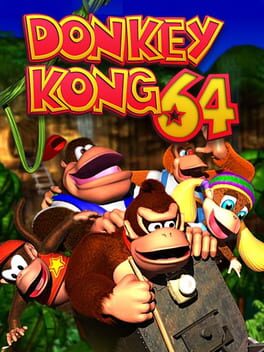
Donkey Kong 64
Optimization · Practiced Mastery
The N64 collectathon that buries five playable Kongs in collectibles.
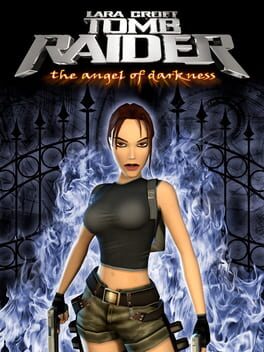
Tomb Raider: The Angel of Darkness
Optimization · Practiced Mastery
A darker stealth-tinged Tomb Raider that sends a fugitive Lara through Paris and Prague.
Donkey Kong 64 leans Optimization (Practiced Mastery); Tomb Raider: The Angel of Darkness leans Optimization (Practiced Mastery).
Donkey Kong 64Tomb Raider: The Angel of Darkness
Axis by axis
Execution5 vs 5
Same score on execution - which means the number cannot separate them. The difference is in what each one asks of you.
Donkey Kong 64
Moderate platforming and minigame dexterity
Tomb Raider: The Angel of Darkness
Notoriously stiff controls make precise platforming harder than intended
Reads0 vs 0
Same score on reads - which means the number cannot separate them. The difference is in what each one asks of you.
Donkey Kong 64
Scripted bosses and enemies
Tomb Raider: The Angel of Darkness
No adaptive opponents exist
Variance1 vs 1
Same score on variance - which means the number cannot separate them. The difference is in what each one asks of you.
Donkey Kong 64
Little randomness; secrets known once found
Tomb Raider: The Angel of Darkness
Levels and puzzles are entirely fixed
Optimization7 vs 7
Same score on optimization - which means the number cannot separate them. The difference is in what each one asks of you.
Donkey Kong 64
Routing five Kongs through collectible checklists
Tomb Raider: The Angel of Darkness
Puzzle-solving, stat-gated paths, and route knowledge dominate
A matching score does not mean a matching test. Two games can both sit at 10 on execution and demand completely different things of you - which is why the reasoning above matters more than the number beside it.
Related comparisons
Donkey Kong 64 vs Grand Theft Auto VGrand Theft Auto V vs Tomb Raider: The Angel of DarknessDonkey Kong 64 vs The Witcher 3: Wild HuntThe Witcher 3: Wild Hunt vs Tomb Raider: The Angel of DarknessDonkey Kong 64 vs Grand Theft Auto: San AndreasGrand Theft Auto: San Andreas vs Tomb Raider: The Angel of Darkness