Building comparison
head to head
Double Dragon II: The RevengevsSuper Mario 64
Neither is harder. They score identically on all four axes, so the difference between them is in kind, not degree.

Double Dragon II: The Revenge
Execution · Practiced Mastery
A classic beat 'em up sequel where the Lee brothers avenge Marian with kicks and knees.
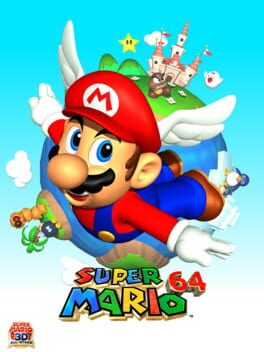
Super Mario 64
Execution · Practiced Mastery
A test of 3D movement control with a deep routing layer underneath.
Double Dragon II: The Revenge leans Execution (Practiced Mastery); Super Mario 64 leans Execution (Practiced Mastery).
Double Dragon II: The RevengeSuper Mario 64
Axis by axis
Execution7 vs 7
Same score on execution - which means the number cannot separate them. The difference is in what each one asks of you.
Double Dragon II: The Revenge
Directional attacks and knee timing carry every fight
Super Mario 64
Perfect analog inputs trivialise precise jumps, dives and wall-kicks
Reads0 vs 0
Same score on reads - which means the number cannot separate them. The difference is in what each one asks of you.
Double Dragon II: The Revenge
Enemy thugs use fixed AI routines
Super Mario 64
Solo platformer - no adaptive opponent anywhere
Variance1 vs 1
Same score on variance - which means the number cannot separate them. The difference is in what each one asks of you.
Double Dragon II: The Revenge
Minor enemy positioning randomness
Super Mario 64
Star locations and level layouts are fixed once seen
Optimization5 vs 5
Same score on optimization - which means the number cannot separate them. The difference is in what each one asks of you.
Double Dragon II: The Revenge
Learning stage layouts and abusing the hyper knee
Super Mario 64
Star routing and movement tech form a deep solvable layer
A matching score does not mean a matching test. Two games can both sit at 10 on execution and demand completely different things of you - which is why the reasoning above matters more than the number beside it.