Building comparison
head to head
Dr. Robotnik's Mean Bean MachinevsTom Clancy's Splinter Cell: Double Agent
Neither is meaningfully harder - they pose close to the same test. The widest gap is variance, and it is a single point.
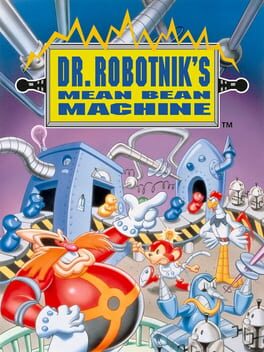
Dr. Robotnik's Mean Bean Machine
Optimization · Practiced Mastery
Building bean chains fast under random pieces and garbage pressure.
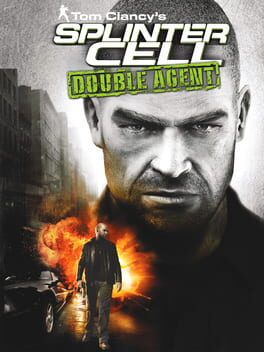
Tom Clancy's Splinter Cell: Double Agent
Optimization · Practiced Mastery
A double-agent stealth game where managing two factions' trust meters becomes the core puzzle.
Dr. Robotnik's Mean Bean Machine leans Optimization (Practiced Mastery); Tom Clancy's Splinter Cell: Double Agent leans Optimization (Practiced Mastery).
Dr. Robotnik's Mean Bean MachineTom Clancy's Splinter Cell: Double Agent
Axis by axis
Execution6 vs 6
Same score on execution - which means the number cannot separate them. The difference is in what each one asks of you.
Dr. Robotnik's Mean Bean Machine
Placement speed under garbage pressure decides late stages
Tom Clancy's Splinter Cell: Double Agent
Stealth movement and timed objectives need steady hands.
Reads2 vs 2
Same score on reads - which means the number cannot separate them. The difference is in what each one asks of you.
Dr. Robotnik's Mean Bean Machine
Versus humans, anticipating chain timing adds an edge
Tom Clancy's Splinter Cell: Double Agent
Trust meter pressure is scripted, not adaptive.
Variance4 vs 3
Dr. Robotnik's Mean Bean Machine leans a little harder on variance, though the gap is small.
Dr. Robotnik's Mean Bean Machine
Random bean colours shape every match
Tom Clancy's Splinter Cell: Double Agent
Branching trust outcomes are unknown on first play.
Optimization7 vs 8
Tom Clancy's Splinter Cell: Double Agent leans a little harder on optimization, though the gap is small.
Dr. Robotnik's Mean Bean Machine
Chain-building structure knowledge is the core skill
Tom Clancy's Splinter Cell: Double Agent
Balancing JBA and NSA trust is a solvable system.
A matching score does not mean a matching test. Two games can both sit at 10 on execution and demand completely different things of you - which is why the reasoning above matters more than the number beside it.
full breakdown
Dr. Robotnik's Mean Bean Machine →
full breakdown
Tom Clancy's Splinter Cell: Double Agent →
Related comparisons
Dr. Robotnik's Mean Bean Machine vs Grand Theft Auto VGrand Theft Auto V vs Tom Clancy's Splinter Cell: Double AgentDr. Robotnik's Mean Bean Machine vs The Witcher 3: Wild HuntThe Witcher 3: Wild Hunt vs Tom Clancy's Splinter Cell: Double AgentDr. Robotnik's Mean Bean Machine vs Grand Theft Auto: San AndreasGrand Theft Auto: San Andreas vs Tom Clancy's Splinter Cell: Double Agent