Building comparison
head to head
Dragon Ball Z: Budokai Tenkaichi 3vsSoulcalibur IV
Neither is meaningfully harder - they pose close to the same test. The widest gap is reads, and it is a single point.
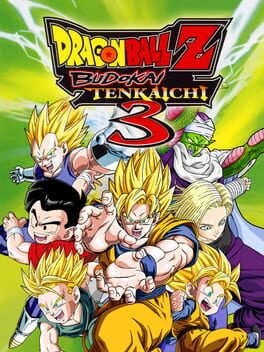
Dragon Ball Z: Budokai Tenkaichi 3
Execution · Competitive PvP
Fast arena-fighter execution plus guessing games against a human opponent.
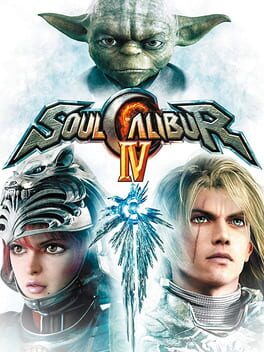
Soulcalibur IV
Execution · Competitive PvP
The fourth Soulcalibur adds armor-breaking Soul Gauge pressure and Critical Finishes to its weapon dueling.
Dragon Ball Z: Budokai Tenkaichi 3 leans Execution (Competitive PvP); Soulcalibur IV leans Execution (Competitive PvP).
Dragon Ball Z: Budokai Tenkaichi 3Soulcalibur IV
Axis by axis
Execution7 vs 7
Same score on execution - which means the number cannot separate them. The difference is in what each one asks of you.
Dragon Ball Z: Budokai Tenkaichi 3
Combo timing, dashes and beam clashes demand fast hands
Soulcalibur IV
Step-guard and just-guard timing keep a real physical ceiling.
Reads6 vs 7
Soulcalibur IV leans a little harder on reads, though the gap is small.
Dragon Ball Z: Budokai Tenkaichi 3
Versus humans, baiting counters and vanish wars is prediction
Soulcalibur IV
Critical Finish threats add layers to adaptive mixup guessing.
Variance1 vs 1
Same score on variance - which means the number cannot separate them. The difference is in what each one asks of you.
Dragon Ball Z: Budokai Tenkaichi 3
Almost nothing hidden once both rosters are known
Soulcalibur IV
Soul Gauge is visible; no hidden info.
Optimization4 vs 5
Soulcalibur IV leans a little harder on optimization, though the gap is small.
Dragon Ball Z: Budokai Tenkaichi 3
Character tiers and combo routes form a learnable layer
Soulcalibur IV
Guard-crush pressure routes and frame data are studyable.
A matching score does not mean a matching test. Two games can both sit at 10 on execution and demand completely different things of you - which is why the reasoning above matters more than the number beside it.
Related comparisons
Call of Duty: Modern Warfare 2 vs Dragon Ball Z: Budokai Tenkaichi 3Call of Duty: Modern Warfare 2 vs Soulcalibur IVCounter-Strike: Global Offensive vs Dragon Ball Z: Budokai Tenkaichi 3Counter-Strike: Global Offensive vs Soulcalibur IVCall of Duty: Black Ops vs Dragon Ball Z: Budokai Tenkaichi 3Call of Duty: Black Ops vs Soulcalibur IV