Building comparison
head to head
Dragon Ball Z: KakarotvsThe Simpsons Game
Neither is meaningfully harder - they pose close to the same test. The widest gap is optimization, and it is a single point.
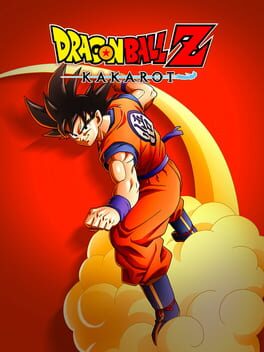
Dragon Ball Z: Kakarot
Optimization · Practiced Mastery
A story-retelling action RPG that relives the Z saga.
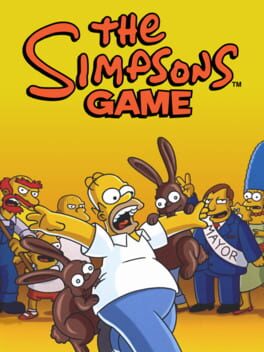
The Simpsons Game
Optimization · Practiced Mastery
A gag-driven platformer testing little beyond collectible patience.
Dragon Ball Z: Kakarot leans Optimization (Practiced Mastery); The Simpsons Game leans Optimization (Practiced Mastery).
Dragon Ball Z: KakarotThe Simpsons Game
Axis by axis
Execution3 vs 3
Same score on execution - which means the number cannot separate them. The difference is in what each one asks of you.
Dragon Ball Z: Kakarot
Forgiving arena combat with light timing
The Simpsons Game
Simple platforming and character-power timing
Reads0 vs 0
Same score on reads - which means the number cannot separate them. The difference is in what each one asks of you.
Dragon Ball Z: Kakarot
Bosses replay fixed movesets
The Simpsons Game
Parody enemies are jokes on rails
Variance1 vs 1
Same score on variance - which means the number cannot separate them. The difference is in what each one asks of you.
Dragon Ball Z: Kakarot
Story content, little randomness
The Simpsons Game
Levels are fixed gag sequences
Optimization5 vs 4
Dragon Ball Z: Kakarot leans a little harder on optimization, though the gap is small.
Dragon Ball Z: Kakarot
Levels, communities, and cooking trivialise fights
The Simpsons Game
Character-ability puzzles and collectibles are lightly solvable
A matching score does not mean a matching test. Two games can both sit at 10 on execution and demand completely different things of you - which is why the reasoning above matters more than the number beside it.