Building comparison
head to head
Dying LightvsPsi-Ops: The Mindgate Conspiracy
Neither is meaningfully harder - they pose close to the same test. The widest gap is variance, and it is a single point.
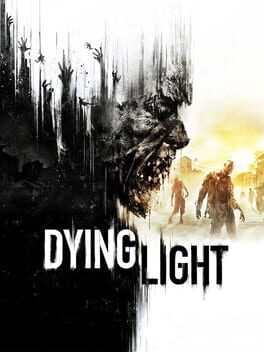
Dying Light
Execution · Practiced Mastery
First-person parkour against zombies, especially terrifying after dark.
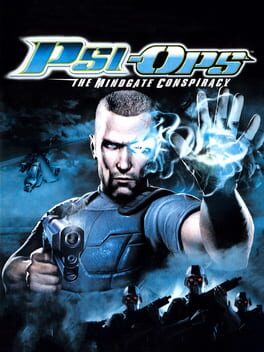
Psi-Ops: The Mindgate Conspiracy
Execution · Practiced Mastery
Physics-powered combat testing dexterity and creative use of psychic systems.
Dying Light leans Execution (Practiced Mastery); Psi-Ops: The Mindgate Conspiracy leans Execution (Practiced Mastery).
Dying LightPsi-Ops: The Mindgate Conspiracy
Axis by axis
Execution6 vs 6
Same score on execution - which means the number cannot separate them. The difference is in what each one asks of you.
Dying Light
Parkour traversal and melee timing demanding.
Psi-Ops: The Mindgate Conspiracy
Juggling telekinesis aiming with gunplay demands real dexterity
Reads1 vs 1
Same score on reads - which means the number cannot separate them. The difference is in what each one asks of you.
Dying Light
Zombie AI scripted, non-adaptive.
Psi-Ops: The Mindgate Conspiracy
Soldiers follow fixed AI routines, never modelling you
Variance2 vs 1
Dying Light leans a little harder on variance, though the gap is small.
Dying Light
Night-hunter encounters bring randomness.
Psi-Ops: The Mindgate Conspiracy
Encounters are scripted and fully repeatable
Optimization5 vs 5
Same score on optimization - which means the number cannot separate them. The difference is in what each one asks of you.
Dying Light
Crafting, blueprints, skill trees solvable.
Psi-Ops: The Mindgate Conspiracy
Creative psychic-physics combos solve rooms efficiently
A matching score does not mean a matching test. Two games can both sit at 10 on execution and demand completely different things of you - which is why the reasoning above matters more than the number beside it.