Building comparison
head to head
F.E.A.R. 3vsKillzone
Neither is meaningfully harder - they pose close to the same test. The widest gap is variance, and it is a single point.
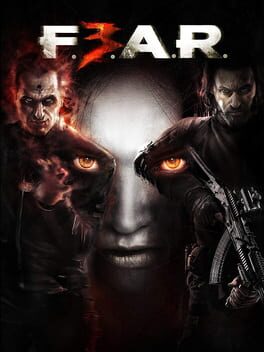
F.E.A.R. 3
Execution · Practiced Mastery
Slow-motion gunfights against aggressive but ultimately mappable squad AI.
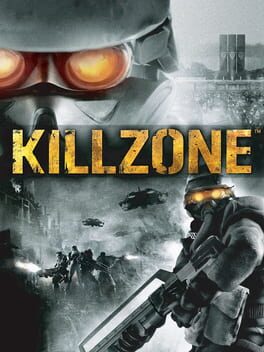
Killzone
Execution · Practiced Mastery
Weighty corridor shooting through scripted encounters with light loadout choice.
F.E.A.R. 3 leans Execution (Practiced Mastery); Killzone leans Execution (Practiced Mastery).
F.E.A.R. 3Killzone
Axis by axis
Execution6 vs 6
Same score on execution - which means the number cannot separate them. The difference is in what each one asks of you.
F.E.A.R. 3
Slow-mo gunplay still rewards fast accurate aim
Killzone
Heavy gunplay still rewards aim and positioning
Reads2 vs 2
Same score on reads - which means the number cannot separate them. The difference is in what each one asks of you.
F.E.A.R. 3
Squad AI flanks convincingly but follows mappable routines
Killzone
Campaign Helghast follow scripts; servers are long dead
Variance2 vs 1
F.E.A.R. 3 leans a little harder on variance, though the gap is small.
F.E.A.R. 3
Encounter layouts are scripted-but-unknown first time
Killzone
Encounters are fixed and replayable
Optimization4 vs 4
Same score on optimization - which means the number cannot separate them. The difference is in what each one asks of you.
F.E.A.R. 3
Cover usage and power timing are quickly learned
Killzone
Character choice and route knowledge solve each level
A matching score does not mean a matching test. Two games can both sit at 10 on execution and demand completely different things of you - which is why the reasoning above matters more than the number beside it.