Building comparison
head to head
Final Fantasy XIII-2vsPixelJunk Monsters 2
Neither is harder. They score identically on all four axes, so the difference between them is in kind, not degree.
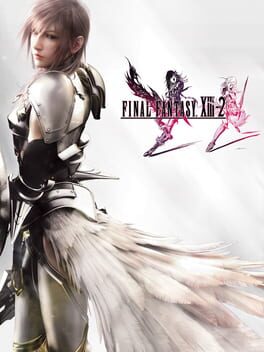
Final Fantasy XIII-2
Optimization · Pure Optimization
A time-hopping JRPG sequel built on stagger combos, paradigm switching, and collecting tameable monsters.
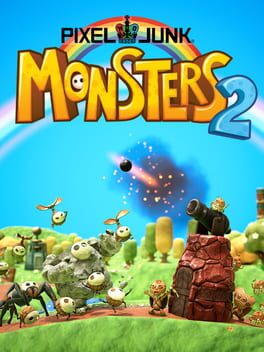
PixelJunk Monsters 2
Optimization · Pure Optimization
A tower-defense game about placing traps along paths to protect baby monsters.
Final Fantasy XIII-2 leans Optimization (Pure Optimization); PixelJunk Monsters 2 leans Optimization (Pure Optimization).
Final Fantasy XIII-2PixelJunk Monsters 2
Axis by axis
Execution3 vs 3
Same score on execution - which means the number cannot separate them. The difference is in what each one asks of you.
Final Fantasy XIII-2
Real-time paradigm shifts and QTEs need modest timing.
PixelJunk Monsters 2
Some real-time placement timing under wave pressure.
Reads0 vs 0
Same score on reads - which means the number cannot separate them. The difference is in what each one asks of you.
Final Fantasy XIII-2
Boss behaviours are scripted and learnable.
PixelJunk Monsters 2
Enemy waves are scripted, not adaptive.
Variance3 vs 3
Same score on variance - which means the number cannot separate them. The difference is in what each one asks of you.
Final Fantasy XIII-2
Monster drops and timeline secrets until catalogued.
PixelJunk Monsters 2
Wave composition adds some unpredictability.
Optimization8 vs 8
Same score on optimization - which means the number cannot separate them. The difference is in what each one asks of you.
Final Fantasy XIII-2
Paradigm decks, monster builds, and stagger routing are the game.
PixelJunk Monsters 2
Tower placement and upgrade paths are deeply solvable.
A matching score does not mean a matching test. Two games can both sit at 10 on execution and demand completely different things of you - which is why the reasoning above matters more than the number beside it.