Building comparison
head to head
Ghost of Tsushima: Director's CutvsGrand Theft Auto: San Andreas
Ghost of Tsushima: Director's Cut asks more than Grand Theft Auto: San Andreas, and the gap is execution.
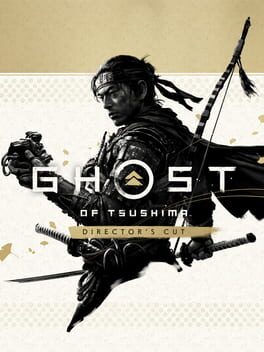
Ghost of Tsushima: Director's Cut
Execution · Practiced Mastery
Timing-based swordplay over a solvable stance-and-loadout system in an authored world.
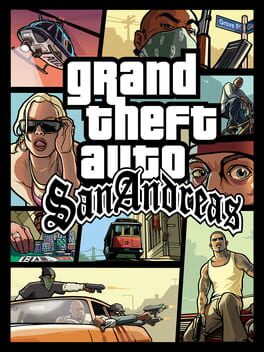
Grand Theft Auto: San Andreas
Optimization · Practiced Mastery
A sprawling open-world crime epic with RPG-style character stats across a whole state.
Ghost of Tsushima: Director's Cut leans Execution (Practiced Mastery); Grand Theft Auto: San Andreas leans Optimization (Practiced Mastery).
Ghost of Tsushima: Director's CutGrand Theft Auto: San Andreas
Axis by axis
Execution6 vs 4
Ghost of Tsushima: Director's Cut leans clearly harder on execution.
Ghost of Tsushima: Director's Cut
Parry and stance timing carry duels on harder difficulties
Grand Theft Auto: San Andreas
Flying school and drive-bys need decent hands
Reads1 vs 0
Ghost of Tsushima: Director's Cut leans a little harder on reads, though the gap is small.
Ghost of Tsushima: Director's Cut
Enemies telegraph from fixed scripts, never model you
Grand Theft Auto: San Andreas
Gang AI is scripted, never adaptive
Variance1 vs 2
Grand Theft Auto: San Andreas leans a little harder on variance, though the gap is small.
Ghost of Tsushima: Director's Cut
Open world is authored; little meaningful randomness
Grand Theft Auto: San Andreas
Territory wars and traffic add light randomness
Optimization6 vs 6
Same score on optimization - which means the number cannot separate them. The difference is in what each one asks of you.
Ghost of Tsushima: Director's Cut
Stance matchups, charms and gear form a solvable system
Grand Theft Auto: San Andreas
Stats, gym, weapon skill, and routes reward systematic play
A matching score does not mean a matching test. Two games can both sit at 10 on execution and demand completely different things of you - which is why the reasoning above matters more than the number beside it.
Related comparisons
Ghost of Tsushima: Director's Cut vs Grand Theft Auto VGrand Theft Auto: San Andreas vs Grand Theft Auto VGhost of Tsushima: Director's Cut vs The Witcher 3: Wild HuntGrand Theft Auto: San Andreas vs The Witcher 3: Wild HuntGhost of Tsushima: Director's Cut vs Red Dead Redemption 2Grand Theft Auto: San Andreas vs Red Dead Redemption 2