Building comparison
head to head
Ghost of TsushimavsKena: Bridge of Spirits
Neither is meaningfully harder - they pose close to the same test. The widest gap is execution, and it is a single point.
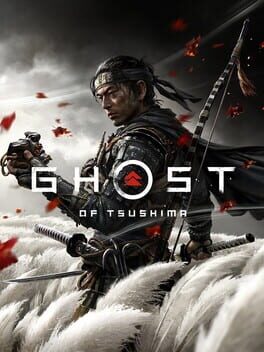
Ghost of Tsushima
Execution · Practiced Mastery
An open-world samurai adventure trading honor for guerrilla tactics across feudal Tsushima.
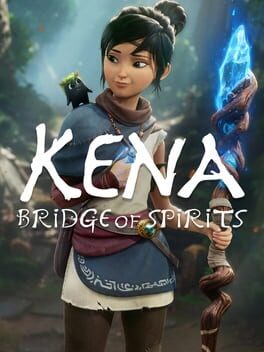
Kena: Bridge of Spirits
Execution · Practiced Mastery
A Pixar-styled action adventure about a spirit guide cleansing a corrupted forest.
Ghost of Tsushima leans Execution (Practiced Mastery); Kena: Bridge of Spirits leans Execution (Practiced Mastery).
Ghost of TsushimaKena: Bridge of Spirits
Axis by axis
Execution6 vs 5
Ghost of Tsushima leans a little harder on execution, though the gap is small.
Ghost of Tsushima
Parry and stance timing carry duels and standoffs
Kena: Bridge of Spirits
Parry and dodge timing in boss fights
Reads1 vs 1
Same score on reads - which means the number cannot separate them. The difference is in what each one asks of you.
Ghost of Tsushima
Mongol AI is scripted, not adaptive
Kena: Bridge of Spirits
Corrupted spirits are fully scripted
Variance1 vs 1
Same score on variance - which means the number cannot separate them. The difference is in what each one asks of you.
Ghost of Tsushima
Encounters are largely deterministic
Kena: Bridge of Spirits
World is fixed and explorable
Optimization6 vs 5
Ghost of Tsushima leans a little harder on optimization, though the gap is small.
Ghost of Tsushima
Stance matchups, charms, and gear are solvable systems
Kena: Bridge of Spirits
Rot ability usage and boss pattern learning
A matching score does not mean a matching test. Two games can both sit at 10 on execution and demand completely different things of you - which is why the reasoning above matters more than the number beside it.