Building comparison
head to head
Going MedievalvsLoop Hero
Neither is meaningfully harder - they pose close to the same test. The widest gap is variance, and it is a single point.

Going Medieval
Optimization · Systems & Chaos
Constructing and defending a medieval fortress colony through randomised events and deep production chains.
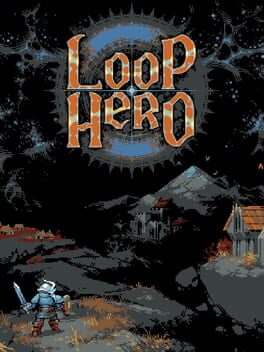
Loop Hero
Optimization · Pure Optimization
An auto-battling deckbuilder about building a loop to defeat the Lich.
Going Medieval leans Optimization (Systems & Chaos); Loop Hero leans Optimization (Pure Optimization).
Going MedievalLoop Hero
Axis by axis
Execution1 vs 1
Same score on execution - which means the number cannot separate them. The difference is in what each one asks of you.
Going Medieval
Pause-enabled management has no twitch component
Loop Hero
Autobattler, almost no inputs.
Reads0 vs 0
Same score on reads - which means the number cannot separate them. The difference is in what each one asks of you.
Going Medieval
Raider AI follows scripted attack patterns and frequencies
Loop Hero
Enemies follow scripts.
Variance6 vs 5
Going Medieval leans a little harder on variance, though the gap is small.
Going Medieval
Settler traits, weather, and plague events carry meaningful randomness
Loop Hero
Card draws and loot drops randomize.
Optimization8 vs 9
Loop Hero leans a little harder on optimization, though the gap is small.
Going Medieval
Fortress design, food supply chains, and research order are richly solvable
Loop Hero
Deck and tile placement reward deep optimization.
A matching score does not mean a matching test. Two games can both sit at 10 on execution and demand completely different things of you - which is why the reasoning above matters more than the number beside it.