Building comparison
head to head
Going MedievalvsX-COM: UFO Defense
Neither is harder. They score identically on all four axes, so the difference between them is in kind, not degree.
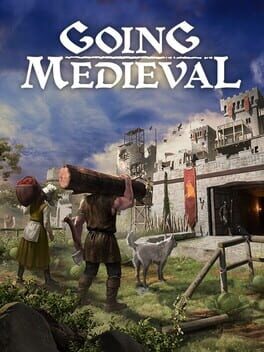
Going Medieval
Optimization · Systems & Chaos
Constructing and defending a medieval fortress colony through randomised events and deep production chains.

X-COM: UFO Defense
Optimization · Systems & Chaos
Seminal 1994 strategy game mixing global base management with brutal turn-based alien squad combat.
Going Medieval leans Optimization (Systems & Chaos); X-COM: UFO Defense leans Optimization (Systems & Chaos).
Going MedievalX-COM: UFO Defense
Axis by axis
Execution1 vs 1
Same score on execution - which means the number cannot separate them. The difference is in what each one asks of you.
Going Medieval
Pause-enabled management has no twitch component
X-COM: UFO Defense
Turn-based; only inventory clicking
Reads0 vs 0
Same score on reads - which means the number cannot separate them. The difference is in what each one asks of you.
Going Medieval
Raider AI follows scripted attack patterns and frequencies
X-COM: UFO Defense
Alien AI is scripted, never adaptive
Variance6 vs 6
Same score on variance - which means the number cannot separate them. The difference is in what each one asks of you.
Going Medieval
Settler traits, weather, and plague events carry meaningful randomness
X-COM: UFO Defense
Hit rolls, random maps, and unseen aliens punish constantly
Optimization8 vs 8
Same score on optimization - which means the number cannot separate them. The difference is in what each one asks of you.
Going Medieval
Fortress design, food supply chains, and research order are richly solvable
X-COM: UFO Defense
Base economy, research order, and tactical doctrine are masterable
A matching score does not mean a matching test. Two games can both sit at 10 on execution and demand completely different things of you - which is why the reasoning above matters more than the number beside it.