Building comparison
head to head
Grim FandangovsThe Room 4: Old Sins
Neither is meaningfully harder - they pose close to the same test. The widest gap is optimization, and it is a single point.
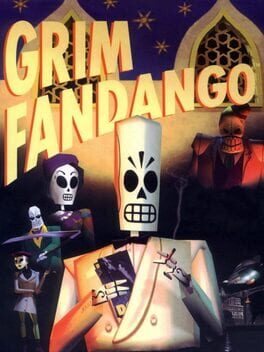
Grim Fandango
Optimization · Pure Optimization
A noir puzzle journey through the Land of the Dead solved by untangling the game's own surreal logic.
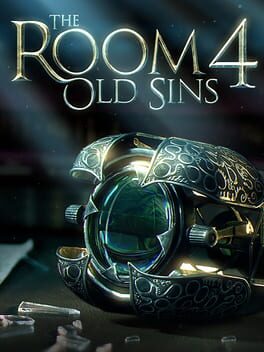
The Room 4: Old Sins
Optimization · Pure Optimization
Methodically decoding intricate fixed mechanisms hidden in a puzzle dollhouse.
Grim Fandango leans Optimization (Pure Optimization); The Room 4: Old Sins leans Optimization (Pure Optimization).
Grim FandangoThe Room 4: Old Sins
Axis by axis
Execution1 vs 1
Same score on execution - which means the number cannot separate them. The difference is in what each one asks of you.
Grim Fandango
Tank controls are awkward but never a skill test
The Room 4: Old Sins
Twisting mechanisms onscreen takes no dexterity
Reads0 vs 0
Same score on reads - which means the number cannot separate them. The difference is in what each one asks of you.
Grim Fandango
All characters follow scripted arcs; nothing adapts to the player
The Room 4: Old Sins
A fixed dollhouse of secrets; nothing adapts
Variance2 vs 2
Same score on variance - which means the number cannot separate them. The difference is in what each one asks of you.
Grim Fandango
A few timed sequences add minor uncertainty but nothing critical
The Room 4: Old Sins
Mechanisms are hidden information until discovered
Optimization8 vs 7
Grim Fandango leans a little harder on optimization, though the gap is small.
Grim Fandango
Surreal multi-act puzzle chains demand patient causal reasoning
The Room 4: Old Sins
Each puzzle box is a deterministic mechanism to decode
A matching score does not mean a matching test. Two games can both sit at 10 on execution and demand completely different things of you - which is why the reasoning above matters more than the number beside it.