Building comparison
head to head
Half-Life 2: DeathmatchvsReturn to Castle Wolfenstein
Neither is meaningfully harder - they pose close to the same test. The widest gap is optimization, and it is a single point.
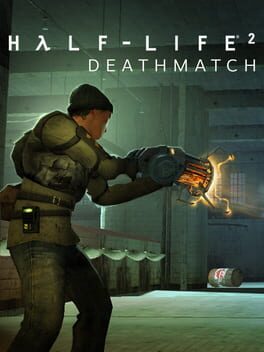
Half-Life 2: Deathmatch
Execution · Pure Mechanics
Tests twitch aim and physics-prop improvisation against human opponents.

Return to Castle Wolfenstein
Execution · Pure Mechanics
Classic WWII shooter whose objective-based multiplayer defined a genre.
Half-Life 2: Deathmatch leans Execution (Pure Mechanics); Return to Castle Wolfenstein leans Execution (Pure Mechanics).
Half-Life 2: DeathmatchReturn to Castle Wolfenstein
Axis by axis
Execution8 vs 8
Same score on execution - which means the number cannot separate them. The difference is in what each one asks of you.
Half-Life 2: Deathmatch
Aim, movement and gravity-gun catches decide every duel
Return to Castle Wolfenstein
Fast strafing and precise hitscan aim dominate duels
Reads5 vs 5
Same score on reads - which means the number cannot separate them. The difference is in what each one asks of you.
Half-Life 2: Deathmatch
Predicting human spawns, dodges and prop throws matters constantly
Return to Castle Wolfenstein
Multiplayer objective pushes hinge on outguessing human defense
Variance2 vs 2
Same score on variance - which means the number cannot separate them. The difference is in what each one asks of you.
Half-Life 2: Deathmatch
Physics props add minor situational chaos
Return to Castle Wolfenstein
Fixed objectives and scripted singleplayer enemies, little randomness
Optimization4 vs 5
Return to Castle Wolfenstein leans a little harder on optimization, though the gap is small.
Half-Life 2: Deathmatch
Weapon spawns and map control are learnable layers
Return to Castle Wolfenstein
Objective timings, class roles, and routes reward planning
A matching score does not mean a matching test. Two games can both sit at 10 on execution and demand completely different things of you - which is why the reasoning above matters more than the number beside it.