Building comparison
head to head
Half-Life: SourcevsUrban Strike: The Sequel to Jungle Strike
Neither is harder. They score identically on all four axes, so the difference between them is in kind, not degree.
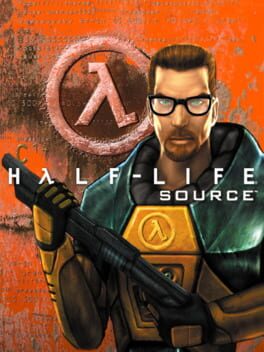
Half-Life: Source
Execution · Practiced Mastery
Aim and movement through a fully scripted campaign that route knowledge solves.
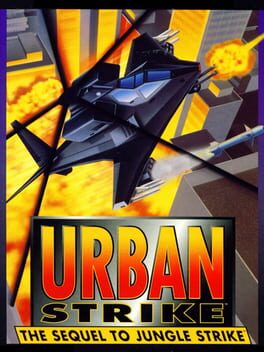
Urban Strike: The Sequel to Jungle Strike
Execution · Practiced Mastery
Helicopter handling plus careful fuel-and-ammo routing across fixed missions.
Half-Life: Source leans Execution (Practiced Mastery); Urban Strike: The Sequel to Jungle Strike leans Execution (Practiced Mastery).
Half-Life: SourceUrban Strike: The Sequel to Jungle Strike
Axis by axis
Execution6 vs 6
Same score on execution - which means the number cannot separate them. The difference is in what each one asks of you.
Half-Life: Source
Aim, movement and platforming through Black Mesa's gauntlets
Urban Strike: The Sequel to Jungle Strike
Helicopter handling under fire while lining up shots
Reads0 vs 0
Same score on reads - which means the number cannot separate them. The difference is in what each one asks of you.
Half-Life: Source
Marines and aliens run impressive but fixed scripts
Urban Strike: The Sequel to Jungle Strike
Enemy turrets and units are placed and scripted
Variance1 vs 1
Same score on variance - which means the number cannot separate them. The difference is in what each one asks of you.
Half-Life: Source
Fully authored campaign, nothing random
Urban Strike: The Sequel to Jungle Strike
Missions are fixed; fuel spots never move
Optimization5 vs 5
Same score on optimization - which means the number cannot separate them. The difference is in what each one asks of you.
Half-Life: Source
Route knowledge and resource management trivialise replays
Urban Strike: The Sequel to Jungle Strike
Fuel, ammo and objective routing is the strategic layer
A matching score does not mean a matching test. Two games can both sit at 10 on execution and demand completely different things of you - which is why the reasoning above matters more than the number beside it.
Related comparisons
Grand Theft Auto V vs Half-Life: SourceGrand Theft Auto V vs Urban Strike: The Sequel to Jungle StrikeHalf-Life: Source vs The Witcher 3: Wild HuntThe Witcher 3: Wild Hunt vs Urban Strike: The Sequel to Jungle StrikeGrand Theft Auto: San Andreas vs Half-Life: SourceGrand Theft Auto: San Andreas vs Urban Strike: The Sequel to Jungle Strike