Building comparison
head to head
Halo 2: AnniversaryvsMecha Break
Neither is harder. They score identically on all four axes, so the difference between them is in kind, not degree.
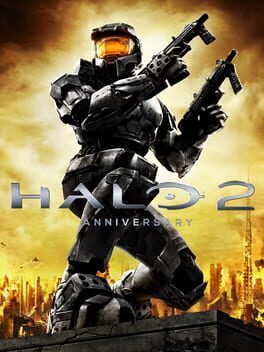
Halo 2: Anniversary
Execution · Competitive PvP
Tests arena-shooter aim and map-control prediction against human lobbies.

Mecha Break
Execution · Competitive PvP
Fast mech duels testing piloting execution and prediction of human opponents.
Halo 2: Anniversary leans Execution (Competitive PvP); Mecha Break leans Execution (Competitive PvP).
Halo 2: AnniversaryMecha Break
Axis by axis
Execution7 vs 7
Same score on execution - which means the number cannot separate them. The difference is in what each one asks of you.
Halo 2: Anniversary
Aim, grenades and movement decide every multiplayer duel
Mecha Break
Boost management and aim in fast mech duels demand dexterity
Reads6 vs 6
Same score on reads - which means the number cannot separate them. The difference is in what each one asks of you.
Halo 2: Anniversary
Predicting human positioning and power-weapon pushes is constant
Mecha Break
Human pilots adapt positioning and engage timing constantly
Variance2 vs 2
Same score on variance - which means the number cannot separate them. The difference is in what each one asks of you.
Halo 2: Anniversary
Static spawns and timers leave little true randomness
Mecha Break
Match conditions are mostly fixed beyond extraction-mode loot
Optimization5 vs 5
Same score on optimization - which means the number cannot separate them. The difference is in what each one asks of you.
Halo 2: Anniversary
Weapon timers, map control and campaign routes are learnable systems
Mecha Break
Mech loadouts and role matchups reward roster knowledge
A matching score does not mean a matching test. Two games can both sit at 10 on execution and demand completely different things of you - which is why the reasoning above matters more than the number beside it.