Building comparison
head to head
Harry Potter and the Half-Blood PrincevsLuxuria Superbia
Neither is harder. They score identically on all four axes, so the difference between them is in kind, not degree.
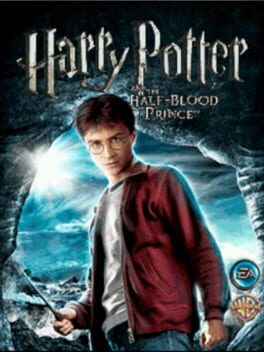
Harry Potter and the Half-Blood Prince
Optimization · Practiced Mastery
Gentle minigame variety - flying, potions, duels - with no demanding axis.

Luxuria Superbia
Optimization · Practiced Mastery
A tactile rhythm-puzzle about pacing your touch through colorful tunnels.
Harry Potter and the Half-Blood Prince leans Optimization (Practiced Mastery); Luxuria Superbia leans Optimization (Practiced Mastery).
Harry Potter and the Half-Blood PrinceLuxuria Superbia
Axis by axis
Execution3 vs 3
Same score on execution - which means the number cannot separate them. The difference is in what each one asks of you.
Harry Potter and the Half-Blood Prince
Quidditch ring-chasing and duel timing are gentle
Luxuria Superbia
Gentle timed touch input, but forgiving and slow
Reads0 vs 0
Same score on reads - which means the number cannot separate them. The difference is in what each one asks of you.
Harry Potter and the Half-Blood Prince
Duelling NPCs follow simple fixed patterns
Luxuria Superbia
Solo - no opponent to predict
Variance1 vs 1
Same score on variance - which means the number cannot separate them. The difference is in what each one asks of you.
Harry Potter and the Half-Blood Prince
Hogwarts tasks are scripted and repeatable
Luxuria Superbia
Tunnels are fixed, nothing random to map
Optimization4 vs 4
Same score on optimization - which means the number cannot separate them. The difference is in what each one asks of you.
Harry Potter and the Half-Blood Prince
Potion-stirring sequences and castle routing are lightly solvable
Luxuria Superbia
Learning to pace touch for high scores is the loop
A matching score does not mean a matching test. Two games can both sit at 10 on execution and demand completely different things of you - which is why the reasoning above matters more than the number beside it.
Related comparisons
Grand Theft Auto V vs Harry Potter and the Half-Blood PrinceGrand Theft Auto V vs Luxuria SuperbiaHarry Potter and the Half-Blood Prince vs The Witcher 3: Wild HuntLuxuria Superbia vs The Witcher 3: Wild HuntGrand Theft Auto: San Andreas vs Harry Potter and the Half-Blood PrinceGrand Theft Auto: San Andreas vs Luxuria Superbia