Building comparison
head to head
Harry Potter and the Order of the PhoenixvsNight in the Woods
Neither is harder. They score identically on all four axes, so the difference between them is in kind, not degree.

Harry Potter and the Order of the Phoenix
Optimization · Practiced Mastery
A gentle Hogwarts exploration checklist with minimal skill demands anywhere.
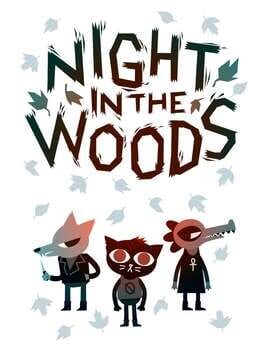
Night in the Woods
Optimization · Practiced Mastery
A character-driven slice-of-life game testing emotional attentiveness rather than puzzle solving.
Harry Potter and the Order of the Phoenix leans Optimization (Practiced Mastery); Night in the Woods leans Optimization (Practiced Mastery).
Harry Potter and the Order of the PhoenixNight in the Woods
Axis by axis
Execution2 vs 2
Same score on execution - which means the number cannot separate them. The difference is in what each one asks of you.
Harry Potter and the Order of the Phoenix
Spell-casting gestures are deliberately easy
Night in the Woods
Platforming and mini-games add light motor demands
Reads0 vs 0
Same score on reads - which means the number cannot separate them. The difference is in what each one asks of you.
Harry Potter and the Order of the Phoenix
Scripted students and Umbridge plots, no adaptive foe
Night in the Woods
Scripted small-town narrative; no adaptive opponents
Variance1 vs 1
Same score on variance - which means the number cannot separate them. The difference is in what each one asks of you.
Harry Potter and the Order of the Phoenix
Hogwarts is fixed; discovery is one-time
Night in the Woods
Minimal randomness; story beats are authored
Optimization4 vs 4
Same score on optimization - which means the number cannot separate them. The difference is in what each one asks of you.
Harry Potter and the Order of the Phoenix
Navigating the castle and task checklist is the game
Night in the Woods
Dialogue and exploration have no puzzle layer to solve systematically
A matching score does not mean a matching test. Two games can both sit at 10 on execution and demand completely different things of you - which is why the reasoning above matters more than the number beside it.
Related comparisons
Grand Theft Auto V vs Harry Potter and the Order of the PhoenixGrand Theft Auto V vs Night in the WoodsHarry Potter and the Order of the Phoenix vs The Witcher 3: Wild HuntNight in the Woods vs The Witcher 3: Wild HuntGrand Theft Auto: San Andreas vs Harry Potter and the Order of the PhoenixGrand Theft Auto: San Andreas vs Night in the Woods