Building comparison
head to head
Hypercharge: UnboxedvsNeed for Speed: Most Wanted (2012)
Neither is meaningfully harder - they pose close to the same test. The widest gap is optimization, and it is a single point.
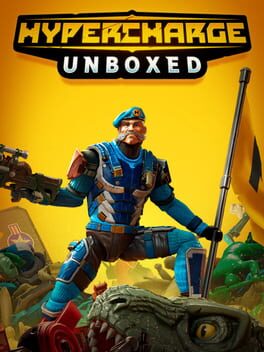
Hypercharge: Unboxed
Execution · Practiced Mastery
A wave-defense shooter blending aim with tower-placement strategy.
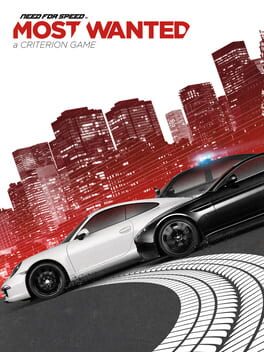
Need for Speed: Most Wanted (2012)
Execution · Practiced Mastery
An open-world street racer where execution and police-chase improvisation carry every run.
Hypercharge: Unboxed leans Execution (Practiced Mastery); Need for Speed: Most Wanted (2012) leans Execution (Practiced Mastery).
Hypercharge: UnboxedNeed for Speed: Most Wanted (2012)
Axis by axis
Execution7 vs 7
Same score on execution - which means the number cannot separate them. The difference is in what each one asks of you.
Hypercharge: Unboxed
Aiming and dodging in wave shootouts is central
Need for Speed: Most Wanted (2012)
High-speed open-world racing rewards precise braking and line choice
Reads2 vs 2
Same score on reads - which means the number cannot separate them. The difference is in what each one asks of you.
Hypercharge: Unboxed
Enemy toys are scripted waves, not adaptive
Need for Speed: Most Wanted (2012)
Autolog competitive ghosts are scripted benchmarks, not live opponents
Variance3 vs 3
Same score on variance - which means the number cannot separate them. The difference is in what each one asks of you.
Hypercharge: Unboxed
Wave composition and spawns add uncertainty
Need for Speed: Most Wanted (2012)
Police pursuits and traffic create unpredictable road state
Optimization6 vs 5
Hypercharge: Unboxed leans a little harder on optimization, though the gap is small.
Hypercharge: Unboxed
Tower placement and resource management drive defense
Need for Speed: Most Wanted (2012)
Car upgrades and event selection follow a solvable progression path
A matching score does not mean a matching test. Two games can both sit at 10 on execution and demand completely different things of you - which is why the reasoning above matters more than the number beside it.
Related comparisons
Grand Theft Auto V vs Hypercharge: UnboxedGrand Theft Auto V vs Need for Speed: Most Wanted (2012)Hypercharge: Unboxed vs The Witcher 3: Wild HuntNeed for Speed: Most Wanted (2012) vs The Witcher 3: Wild HuntGrand Theft Auto: San Andreas vs Hypercharge: UnboxedGrand Theft Auto: San Andreas vs Need for Speed: Most Wanted (2012)