Building comparison
head to head
IconoclastsvsSly Cooper: Thieves in Time
Neither is harder. They score identically on all four axes, so the difference between them is in kind, not degree.

Iconoclasts
Optimization · Practiced Mastery
Hand-crafted puzzle platformer about a renegade mechanic in a zealot world.
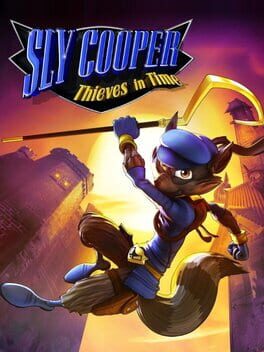
Sly Cooper: Thieves in Time
Optimization · Practiced Mastery
A stealth platformer where the Cooper gang heists through time using memorised guard patrols and ancestor skills.
Iconoclasts leans Optimization (Practiced Mastery); Sly Cooper: Thieves in Time leans Optimization (Practiced Mastery).
IconoclastsSly Cooper: Thieves in Time
Axis by axis
Execution5 vs 5
Same score on execution - which means the number cannot separate them. The difference is in what each one asks of you.
Iconoclasts
Boss dodging and wrench-platforming precision
Sly Cooper: Thieves in Time
Timed sneaking, rail walks, and pickpocket inputs
Reads0 vs 0
Same score on reads - which means the number cannot separate them. The difference is in what each one asks of you.
Iconoclasts
Bosses run fixed scripted phases
Sly Cooper: Thieves in Time
Guard patrols are scripted loops, never adaptive
Variance1 vs 1
Same score on variance - which means the number cannot separate them. The difference is in what each one asks of you.
Iconoclasts
Little hidden beyond first-run surprises
Sly Cooper: Thieves in Time
Patrol routes and layouts are fully mappable
Optimization6 vs 6
Same score on optimization - which means the number cannot separate them. The difference is in what each one asks of you.
Iconoclasts
Puzzle solving and boss pattern mastery
Sly Cooper: Thieves in Time
Learning patrols, gadget choice, treasure routing
A matching score does not mean a matching test. Two games can both sit at 10 on execution and demand completely different things of you - which is why the reasoning above matters more than the number beside it.