Building comparison
head to head
James Bond 007: NightfirevsTom Clancy's Ghost Recon: Future Soldier
Neither is meaningfully harder - they pose close to the same test. The widest gap is optimization, and it is a single point.

James Bond 007: Nightfire
Execution · Practiced Mastery
Era-typical console shooting skill across scripted spy missions and couch multiplayer.
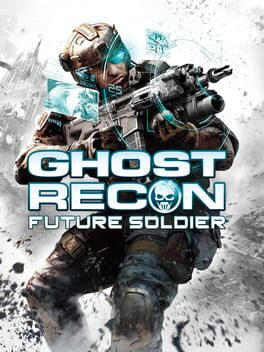
Tom Clancy's Ghost Recon: Future Soldier
Execution · Practiced Mastery
Tactical shooter precision built around planned approaches and synchronised takedowns.
James Bond 007: Nightfire leans Execution (Practiced Mastery); Tom Clancy's Ghost Recon: Future Soldier leans Execution (Practiced Mastery).
James Bond 007: NightfireTom Clancy's Ghost Recon: Future Soldier
Axis by axis
Execution6 vs 6
Same score on execution - which means the number cannot separate them. The difference is in what each one asks of you.
James Bond 007: Nightfire
Console aim and gadget timing carry campaign and splitscreen
Tom Clancy's Ghost Recon: Future Soldier
Sync-shot timing and cover gunplay reward precision
Reads3 vs 3
Same score on reads - which means the number cannot separate them. The difference is in what each one asks of you.
James Bond 007: Nightfire
Splitscreen friends can be predicted; bots cannot
Tom Clancy's Ghost Recon: Future Soldier
Multiplayer flanks involve humans; campaign AI is scripted
Variance1 vs 1
Same score on variance - which means the number cannot separate them. The difference is in what each one asks of you.
James Bond 007: Nightfire
Levels and AI behaviour are fixed and learnable
Tom Clancy's Ghost Recon: Future Soldier
Encounters are designed set pieces
Optimization4 vs 5
Tom Clancy's Ghost Recon: Future Soldier leans a little harder on optimization, though the gap is small.
James Bond 007: Nightfire
Route and gadget usage per mission is solvable
Tom Clancy's Ghost Recon: Future Soldier
Gunsmith loadouts and approach planning are the tactical layer
A matching score does not mean a matching test. Two games can both sit at 10 on execution and demand completely different things of you - which is why the reasoning above matters more than the number beside it.
Related comparisons
Grand Theft Auto V vs James Bond 007: NightfireGrand Theft Auto V vs Tom Clancy's Ghost Recon: Future SoldierJames Bond 007: Nightfire vs The Witcher 3: Wild HuntThe Witcher 3: Wild Hunt vs Tom Clancy's Ghost Recon: Future SoldierGrand Theft Auto: San Andreas vs James Bond 007: NightfireGrand Theft Auto: San Andreas vs Tom Clancy's Ghost Recon: Future Soldier