Building comparison
head to head
Kirby's Dream Land 3vsThe Simpsons: Hit & Run
Neither is meaningfully harder - they pose close to the same test. The widest gap is execution, and it is a single point.
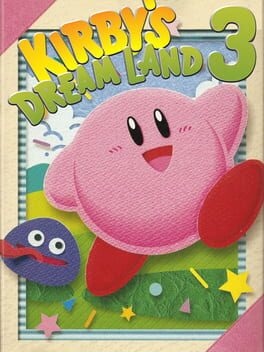
Kirby's Dream Land 3
Optimization · Practiced Mastery
A gentle pastel Kirby platformer whose real challenge is solving each level's hidden heart-star condition.
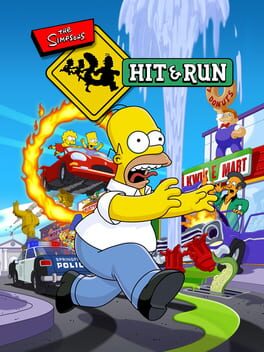
The Simpsons: Hit & Run
Optimization · Practiced Mastery
A family-friendly open-world driving adventure romping through Springfield's mystery of cameras and cola.
Kirby's Dream Land 3 leans Optimization (Practiced Mastery); The Simpsons: Hit & Run leans Optimization (Practiced Mastery).
Kirby's Dream Land 3The Simpsons: Hit & Run
Axis by axis
Execution3 vs 4
The Simpsons: Hit & Run leans a little harder on execution, though the gap is small.
Kirby's Dream Land 3
Gentle platforming with float as a safety net
The Simpsons: Hit & Run
Forgiving driving and light platforming
Reads0 vs 0
Same score on reads - which means the number cannot separate them. The difference is in what each one asks of you.
Kirby's Dream Land 3
Scripted enemies throughout
The Simpsons: Hit & Run
No adaptive opposition exists
Variance1 vs 1
Same score on variance - which means the number cannot separate them. The difference is in what each one asks of you.
Kirby's Dream Land 3
Fixed level layouts
The Simpsons: Hit & Run
Fixed missions with trivial traffic noise
Optimization4 vs 5
The Simpsons: Hit & Run leans a little harder on optimization, though the gap is small.
Kirby's Dream Land 3
Heart-star puzzles need the right ability-animal combos
The Simpsons: Hit & Run
Mission routes, shortcuts, and collectible runs are solvable
A matching score does not mean a matching test. Two games can both sit at 10 on execution and demand completely different things of you - which is why the reasoning above matters more than the number beside it.