Building comparison
head to head
Knights of the Old RepublicvsMerge & Blade
Neither is meaningfully harder - they pose close to the same test. The widest gap is variance, and it is a single point.
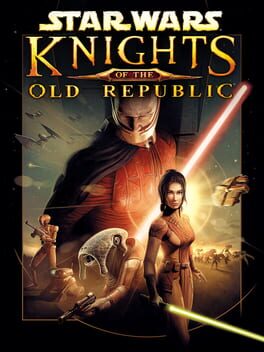
Knights of the Old Republic
Optimization · Pure Optimization
A d20 Star Wars RPG where Force power selection and alignment routing define clear optimal paths.
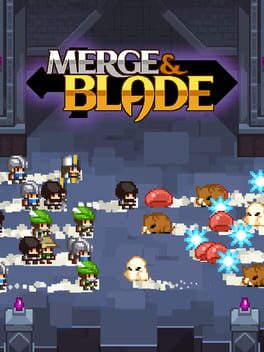
Merge & Blade
Optimization · Pure Optimization
A merge-puzzle auto-battler about composing strong squads to retake castles.
Knights of the Old Republic leans Optimization (Pure Optimization); Merge & Blade leans Optimization (Pure Optimization).
Knights of the Old RepublicMerge & Blade
Axis by axis
Execution2 vs 2
Same score on execution - which means the number cannot separate them. The difference is in what each one asks of you.
Knights of the Old Republic
Pseudo-turn-based d20 combat removes all twitch; timing aids exist but minor
Merge & Blade
Placing and merging units, no twitch input
Reads1 vs 1
Same score on reads - which means the number cannot separate them. The difference is in what each one asks of you.
Knights of the Old Republic
All enemies follow scripted AI behaviour trees without player modelling
Merge & Blade
Monster armies scripted, not adaptive opponents
Variance4 vs 5
Merge & Blade leans a little harder on variance, though the gap is small.
Knights of the Old Republic
Loot rolls and pazaak draws provide hidden information layers
Merge & Blade
Unit draws from merging inject roguelike randomness
Optimization9 vs 8
Knights of the Old Republic leans a little harder on optimization, though the gap is small.
Knights of the Old Republic
Force power selection, feat prerequisites and light/dark routing are systematically solvable
Merge & Blade
Building optimal merged squads for auto-battles is the game
A matching score does not mean a matching test. Two games can both sit at 10 on execution and demand completely different things of you - which is why the reasoning above matters more than the number beside it.